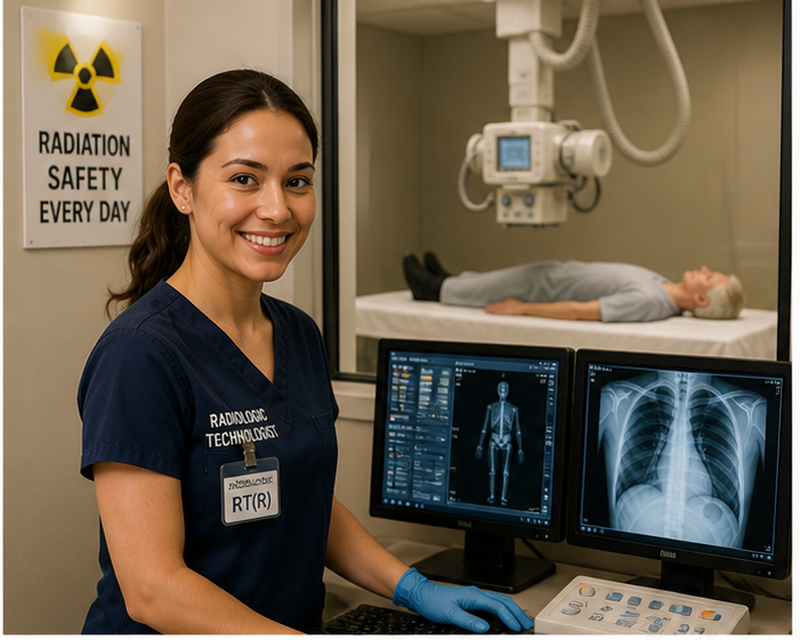
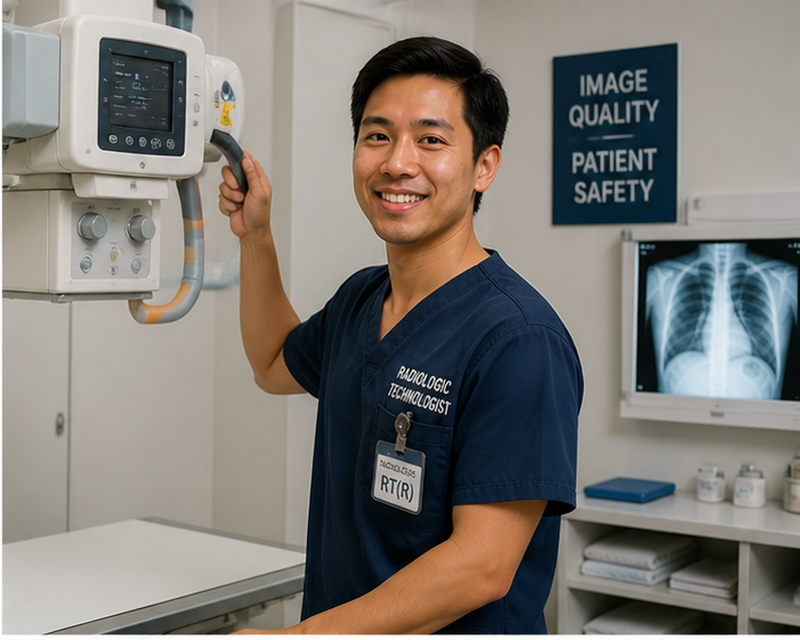
Author: Salary insights

  • Registered Dietitian Salary USA 2026: Complete Guide

    Registered Dietitian Salary USA 2026: Complete Guide

    Registered Dietitian Salary USA 2026: Complete Guide

    Why Registered Dietitian Salary Guides Matter

    Are you considering becoming a registered dietitian? Then you likely wonder: “What is the average registered dietitian salary in 2026?” Understanding compensation in the USA helps you make informed career decisions. The answer varies by state, specialty, and years of experience. Knowing what professionals earn is critical when you plan your career. Moreover, registered dietitians make different amounts across the country. Furthermore, significant gaps exist by state and specialization. In other words, your work location shapes what you earn in nutrition careers.

    Registered dietitian salary USA showing nutrition professional providing counseling

    What Registered Dietitians Earn Across America

    Pay Ranges by Location

    Registered dietitian salary across the USA ranges from $48,000 to $95,000+ per year. This broad range covers professionals at all job levels. Knowing compensation by state, specialty, and experience is vital for career planning. A senior professional in California may earn far more than one in a rural state performing similar work. Your location significantly shapes your earnings.

    What the Data Shows

    Based on data from Indeed, Glassdoor, Bureau of Labor Statistics, and PayScale, here’s 2026 registered dietitian compensation overview:

    National Average Registered Dietitian Salary: $64,000 – $85,000

    USA Median Registered Dietitian Salary: $74,000 per year

    Top Tier Compensation: $100,000+

    Best Paying States: California, Massachusetts, New York, Connecticut, New Jersey

    Entry Level Earning: $42,000 – $55,000

    Specialty Impact: Can increase registered dietitian salary by 20-35%

    How Location Affects Professional Earnings

    Geography: The Registered Dietitian Salary Factor

    Where you work is the #1 factor in registered dietitian salary. Moreover, your geographic location shapes income more than any other variable. Therefore, compensation shifts greatly by state. For instance, a senior professional in California might earn $90,000+. Also, the same person in a rural state might earn $55,000. So, understanding these shifts is vital for your career plan.

    Registered dietitian salary by state showing nutrition center and healthcare facility

    California: Highest Registered Dietitian Salary in the Nation

    Average Registered Dietitian Salary: $85,000 – $105,000+

    Senior Earnings: $100,000 – $140,000+

    Mid-Range Compensation: $95,000

    Why These Rates: High cost of living. Strong healthcare demand. Major medical centers. Health systems.

    Job Demand: Very High

    Massachusetts: Strong Pay and Benefits

    Average Registered Dietitian Salary: $78,000 – $98,000

    Typical Compensation: $88,000

    Market: Major teaching hospitals and academic medical centers

    Work-Life Balance: Good with flexible scheduling options

    Job Security: Excellent in major health systems

    Benefits: Health insurance, retirement plans, CME allowances

    New York: Premium Compensation with Opportunities

    Average Registered Dietitian Salary: $75,000 – $95,000

    Region: Northeast commands premium compensation

    Market: Major hospital systems with diverse nutrition needs

    Growth: Strong demand with specialization opportunities

    Connecticut: Growing Opportunities

    Average Registered Dietitian Salary: $72,000 – $92,000

    Compensation: Competitive with good quality of life

    Market: Mix of hospital and private practice settings

    Stability: Very stable with consistent nutrition demand

    Other Major States

    New Jersey offers registered dietitian salary from $70,000 to $90,000 with excellent healthcare opportunities. Texas provides $60,000 to $82,000 in major cities with growing healthcare demand. Florida offers $62,000 to $85,000 with expanding nutrition and wellness centers. Illinois provides $64,000 to $88,000 with strong job stability. Washington State offers $66,000 to $90,000 with excellent work environment and benefits.

    How Specialization Affects Professional Earnings

    Specialization Impact on Registered Dietitian Salary

    Specialization significantly increases registered dietitian salary and earning potential. Moreover, professionals in high-demand specialties command premium compensation. Therefore, choosing your specialty impacts lifetime earnings substantially. For instance, sports nutrition dietitians earn more than general professionals. Also, renal nutrition specialists earn more than entry-level positions. So, specialty selection shapes your financial future.

    Registered dietitian salary specializations showing nutrition planning and counseling

    Highest-Paying Specializations

    1. Sports Nutrition Registered Dietitian $80,000 – $105,000

    Why: Specialized sports nutrition expertise. High-demand field. Premium compensation.

    2. Renal Nutrition Specialist $77,000 – $102,000

    Why: Specialized kidney disease expertise. Complex medical nutrition therapy. Growing demand.

    3. Pediatric Registered Dietitian $74,000 – $98,000

    Why: Specialized child nutrition expertise. Growing pediatric health emphasis. Unique skills.

    4. Diabetes Care Registered Dietitian $72,000 – $95,000

    Why: Specialized diabetes nutrition expertise. High-demand chronic disease. Growing epidemic.

    5. Oncology Nutrition Specialist $75,000 – $100,000

    Why: Specialized cancer nutrition expertise. Complex medical cases. Growing demand.

    6. Food Service Director/Manager $70,000 – $95,000

    Why: Hospital/facility food service management. Administrative responsibility. Leadership premium.

    7. General Clinical Registered Dietitian $64,000 – $85,000

    Why: Foundational nutrition role. Diverse patient populations. Good entry point for career.

    Registered Dietitian Salary by Years of Experience

    Entry Level (Years 0-2)

    Average Registered Dietitian Salary: $42,000 – $55,000

    Career Focus: Nutrition skill development and clinical competency building

    Characteristics: RDN credential achievement. Mentorship emphasis. Learning nutrition protocols and medical nutrition therapy.

    Financial Note: Sign-on bonuses ($1,500-$3,000) and shift differentials available

    Early Career (Years 2-5)

    Average Registered Dietitian Salary: $54,000 – $72,000

    Career Development: Independent nutrition care and specialty focus development

    Options Available: Diverse patient populations. Increased autonomy. Specialization pathways opening.

    Growth Pattern: Typical 4-6% annual increases during this period

    Mid-Career (Years 7-15)

    Average Registered Dietitian Salary: $70,000 – $95,000

    Career Peak: Lead dietitian roles or advanced specialization

    Options Available: Nutrition leadership opportunities. Specialization mastery. Mentoring responsibilities.

    Financial Position: Solid security with expanding opportunities

    Late Career (Years 15+)

    Average Registered Dietitian Salary: $85,000 – $140,000+

    Leadership Roles: Nutrition director, lead dietitian, or senior specialist

    Status: Peak compensation and senior positions

    Opportunities: Teaching, training, or nutrition program management

    7 Ways to Increase Your Registered Dietitian Salary

    1. Pursue Advanced Nutrition Certifications

    Obtaining specialty certifications (CSR, CSSD, etc.) directly increases earning potential. Certified specialist dietitians command higher salaries and demonstrate expertise. Advanced credentials deliver substantial professional earnings increases throughout your career.

    2. Develop High-Demand Specializations

    Specializing in high-demand fields like sports nutrition or renal nutrition increases compensation. Specialized registered dietitians earn higher salaries than general professionals. Advanced training and expertise lead to 20-30% salary increases over base compensation.

    3. Pursue Leadership and Management Positions

    Moving into lead dietitian or nutrition director roles increases earning potential significantly. Leadership positions in nutrition departments command premium compensation. Lead roles increase earnings by $15,000-$25,000+ above baseline.

    4. Build Private Practice or Consulting

    Establishing private nutrition counseling practice increases earning potential. Private practice professionals can earn substantially more. Successful practices can exceed $100,000+ annually.

    5. Develop Telehealth and Remote Services

    Building virtual nutrition counseling services increases earning potential. Telehealth services expand client base and flexibility. Remote services offer premium pricing opportunities.

    6. Negotiate Compensation Strategically

    Research market rates for your location, experience level, and specialization. Professionals who understand market value negotiate better compensation packages. Include salary, bonuses, and education allowances in negotiations.

    7. Consider Geographic Relocation

    Moving to high-paying states like California, Massachusetts, or New York increases compensation significantly. Geographic arbitrage can yield $15,000-$25,000+ salary increases. Balance compensation with quality of life considerations.

    Common Questions Answered

    Q: How does registered dietitian salary differ by state?

    A: California pays best at $85,000+. Massachusetts offers $78,000. New York provides $75,000. Most states range $64,000-$85,000.

    Q: Do registered dietitians earn more than nutritionists?

    A: Registered dietitians earn more than nutritionists. RD average is $74,000. Nutritionist average is $48,000. Certification and credentials justify higher pay.

    Q: How do registered dietitians compare to nurses?

    A: Registered nurses earn more than registered dietitians. RN average is $75,000. Registered dietitian average is $74,000. Similar compensation with different specialties.

    Q: What’s considered high income for a registered dietitian?

    A: High-earning professionals make $95,000+. These are typically specialists or practice owners. Standard registered dietitians earn $64,000-$85,000.

    Q: How does education debt impact registered dietitian salary?

    A: Bachelor’s degree costs $60,000-$120,000 typically. Professional earnings pay this back relatively quickly. After 4-6 years, most are ahead financially. Long-term earning potential exceeds $2.5 million.

    Q: Can registered dietitians earn more through specialization?

    A: Yes. Specialized certifications increase earning potential significantly. Sports nutrition and renal nutrition professionals earn $10,000-$20,000+ more annually. Specialization delivers substantial career benefits.

    Q: Is registered dietitian education financially worth the investment?

    A: Yes. With 4 years of bachelor’s training, lifetime earnings exceed $2.5 million. Professional earnings grow steadily over career. Dietitians rank among solid earning healthcare roles.

    Q: Which states offer the best compensation and lifestyle?

    A: California, Massachusetts, and New York rank highest for pay. Connecticut and New Jersey offer good balance of pay and lifestyle. Texas offers reasonable compensation with lower cost of living.


    Final Thoughts: Registered Dietitian Salary Overview

    Key Takeaways

    Registered dietitian careers offer solid salary compensation across America. Moreover, earnings vary significantly by state, specialty, and experience. These factors guide career planning. California registered dietitians earn the most nationally. However, Massachusetts, New York, and Connecticut offer competitive compensation too. Furthermore, both general professionals and specialists earn well. Explore similar healthcare roles in our occupational therapist and respiratory therapist salary guides for career comparison. If you’re comparing careers, check out our physician assistant salary guide to compare healthcare professions.

    Important Points to Remember

    Entry-level registered dietitians should expect salary of $42,000-$55,000 in the USA. Moreover, specialization and location can boost earnings to $100,000-$140,000+. Also, location affects both compensation and lifestyle significantly. Consider these factors when planning your nutrition career. Additionally, registered dietitian work provides meaningful healthcare contribution plus solid income. Therefore, it remains one of the most rewarding nutrition healthcare professions.

    Next Steps

    Registered dietitian careers offer excellent compensation, job security, and meaningful work. Moreover, your education investment pays dividends over your lifetime. Furthermore, specialization and location choices shape both earnings and satisfaction. If nutrition work calls to you, pursue it confidently. The financial rewards are solid. Therefore, start your nutrition career today toward a rewarding healthcare role.

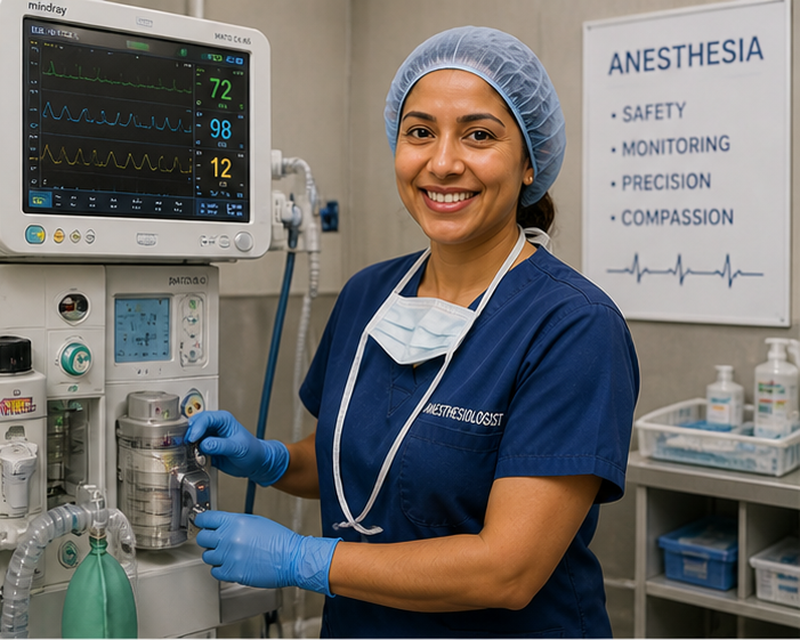
  • Anesthesiologist Salary USA 2026: Complete Guide

    Anesthesiologist Salary USA 2026: Complete Guide

    Anesthesiologist Salary USA 2026: Complete Guide

    Why Anesthesiologist Salary Guides Matter

    Are you considering becoming an anesthesiologist? Then you likely wonder: “What is the average anesthesiologist salary in 2026?” Understanding compensation in the USA helps you understand the financial return on your medical education. The answer varies significantly by state, specialty, and years of practice. Knowing what physicians earn is critical when you plan your medical career. Moreover, anesthesiologists make different amounts across the country. Furthermore, significant gaps exist by state and specialization. In other words, your practice location shapes what you earn in anesthesiology.

    Anesthesiologist salary USA showing physician in operating room

    What Anesthesiologists Earn Across America

    Pay Ranges by Location

    Anesthesiologist salary across the USA ranges from $250,000 to $450,000+ per year. This broad range covers physicians at all practice levels. Knowing anesthesiologist compensation by state, specialty, and experience is vital for career decisions. An experienced anesthesiologist in California may earn far more than one in a rural state performing similar work. Your location significantly shapes your professional earnings.

    What the Data Shows

    Based on data from Indeed, Glassdoor, Bureau of Labor Statistics, and PayScale, here’s 2026 anesthesiologist compensation overview:

    National Average Anesthesiologist Salary: $300,000 – $380,000

    USA Median Anesthesiologist Salary: $340,000 per year

    Top Tier Compensation: $450,000+

    Best Paying States: California, New York, Massachusetts, Connecticut, Illinois

    Early Career Earning: $250,000 – $300,000

    Specialty Impact: Can increase anesthesiologist salary by 15-35%

    How Location Affects Professional Earnings

    Geography: The Anesthesiologist Salary Factor

    Where you practice is a significant factor in anesthesiologist salary. Moreover, your geographic location shapes income substantially. Therefore, compensation shifts greatly by state. For instance, an experienced physician in California might earn $400,000+. Also, the same physician in a rural state might earn $280,000. So, understanding these shifts is vital for your practice plan.

    Anesthesiologist salary by state showing modern surgical suite

    California: Highest Anesthesiologist Salary in the Nation

    Average Anesthesiologist Salary: $385,000 – $445,000+

    Experienced Earnings: $420,000 – $520,000+

    Mid-Range Compensation: $415,000

    Why These Rates: High cost of living. Strong surgical demand. Major medical centers. Teaching hospitals.

    Job Demand: Very High

    New York: Strong Pay and Prestige

    Average Anesthesiologist Salary: $360,000 – $420,000

    Typical Compensation: $390,000

    Market: Major urban hospitals and prestigious medical institutions

    Job Security: Excellent in major health systems

    Benefits: Health insurance, retirement plans, CME allowances

    Massachusetts: Premium Compensation with Research

    Average Anesthesiologist Salary: $350,000 – $410,000

    Region: Northeast commands premium compensation

    Market: Major teaching hospitals with research opportunities

    Growth: Strong demand with specialty opportunities

    Connecticut: Competitive Compensation

    Average Anesthesiologist Salary: $340,000 – $400,000

    Compensation: Strong with good quality of life

    Market: Mix of hospital and surgical center settings

    Stability: Very stable with consistent surgical demand

    Other Major States

    Illinois offers anesthesiologist salary from $330,000 to $390,000 with strong major medical centers. Texas provides $310,000 to $380,000 in major cities with growing surgical demand. Florida offers $320,000 to $390,000 with expanding medical facilities and good opportunities. Michigan provides $300,000 to $380,000 with stable practice environments. Washington State offers $310,000 to $390,000 with excellent work environment and quality of life.

    How Specialization Affects Professional Earnings

    Specialization Impact on Anesthesiologist Salary

    Specialization significantly impacts anesthesiologist salary and earning potential. Moreover, physicians in high-demand specialties command premium compensation. Therefore, choosing your specialty affects lifetime earnings substantially. For instance, cardiac anesthesiologists earn more than general physicians. Also, regional anesthesia specialists earn higher than entry-level practitioners. So, specialty selection shapes your financial future substantially.

    Anesthesiologist salary specializations showing anesthesia equipment and patient monitoring

    Highest-Paying Specializations

    1. Cardiac Anesthesiologist $380,000 – $480,000

    Why: Highly specialized cardiac surgery expertise. Complex cases. Premium compensation.

    2. Neurosurgical Anesthesiologist $370,000 – $470,000

    Why: Specialized brain surgery expertise. Complex neurological cases. High-demand specialization.

    3. Regional Anesthesia Specialist $360,000 – $460,000

    Why: Advanced regional techniques expertise. Growing demand for regional procedures. Premium positioning.

    4. Pediatric Anesthesiologist $340,000 – $440,000

    Why: Specialized pediatric expertise. Growing pediatric surgical demand. Unique expertise premium.

    5. Critical Care Anesthesiologist $340,000 – $440,000

    Why: Critical care medicine expertise. High-acuity case management. Growing critical care demand.

    6. Interventional Pain Management Anesthesiologist $350,000 – $450,000

    Why: Pain management specialization. Interventional pain procedures. Growing pain management demand.

    7. General Anesthesiologist $300,000 – $380,000

    Why: General surgery anesthesia. Diverse surgical cases. Broad practice base.

    Anesthesiologist Salary by Years of Experience

    Early Career (Years 0-5)

    Average Anesthesiologist Salary: $250,000 – $310,000

    Career Focus: Practice establishment and specialty development

    Characteristics: Post-residency period. Building surgical relationships. Establishing reputation.

    Financial Note: Significant student loan debt from medical school; strong earning potential allows rapid payoff

    Mid-Career (Years 5-15)

    Average Anesthesiologist Salary: $320,000 – $400,000

    Career Peak: Established practice with specialty development

    Options Available: Leadership roles. Specialization mastery. Teaching opportunities.

    Growth Pattern: Steady increases with practice maturation

    Late Career (Years 15+)

    Average Anesthesiologist Salary: $380,000 – $520,000+

    Career Peak: Senior practice and leadership roles

    Options Available: Department leadership, private practice ownership, teaching/research

    Financial Position: Maximum earning potential with peak compensation

    7 Ways to Increase Your Anesthesiologist Salary

    1. Pursue High-Demand Subspecialization

    Obtaining certifications in cardiac, regional, or pediatric anesthesia directly increases earning potential. Specialized physicians command significantly higher salaries. Advanced subspecialties deliver substantial earnings increases.

    2. Develop Cardiac Anesthesia Expertise

    Building expertise in cardiac anesthesia provides access to premium compensation. Cardiac anesthesiologists earn among the highest in the profession. Advanced cardiac training increases lifetime earnings substantially.

    3. Establish Private Practice

    Building a private anesthesia practice increases earning potential significantly. Private practice owners often earn 15-30% more than employed physicians. Successful practices can exceed $500,000+ annually.

    4. Develop Regional Anesthesia Skills

    Building expertise in regional anesthesia techniques increases earning potential. Regional anesthesia specialists command premium compensation. Advanced technical skills offer career advancement opportunities.

    5. Assume Department Leadership Roles

    Becoming chair or director of anesthesiology increases earning potential significantly. Leadership positions command premium compensation. Administrative expertise increases financial rewards.

    6. Build Interventional Pain Management Practice

    Developing expertise in pain management and interventional pain procedures increases earning potential. Pain management specialists command premium compensation. Procedural expertise offers premium positioning.

    7. Consider Geographic Relocation

    Moving to high-paying states like California or New York increases compensation substantially. Geographic arbitrage can yield $50,000-$100,000+ salary increases. Balance compensation with lifestyle considerations.

    Common Questions Answered

    Q: How does anesthesiologist salary differ by state?

    A: California pays best at $385,000+. New York offers $360,000. Massachusetts provides $350,000. Most states range $300,000-$380,000.

    Q: Do anesthesiologists earn more than surgeons?

    A: Anesthesiologists and surgeons earn similarly. Surgeon average is $360,000. Anesthesiologist average is $340,000. Both among highest-earning physician specialties.

    Q: How do anesthesiologists compare to other physicians?

    A: Anesthesiologists rank among top-earning physician specialties. Cardiologists average $440,000. Anesthesiologists average $340,000. High earners in healthcare.

    Q: What’s considered high income for an anesthesiologist?

    A: High-earning physicians make $450,000+. These are typically subspecialists or practice owners. Standard anesthesiologists earn $300,000-$380,000.

    Q: How does education debt impact anesthesiologist salary?

    A: Medical school costs $250,000-$400,000 typically. Anesthesiologist earnings pay this back within 2-3 years. After 5 years, most are ahead financially. Long-term earning potential exceeds $10+ million.

    Q: Can anesthesiologists earn more through specialization?

    A: Yes. Specialized certifications increase earning potential significantly. Cardiac anesthesiologists earn $50,000-$100,000+ more annually. Specialization delivers substantial career benefits.

    Q: Is anesthesiology education financially worth the investment?

    A: Yes. With 4 years medical school + 4 years residency, lifetime earnings exceed $10 million. Anesthesiologist earnings grow significantly over career. Among top-earning professions.

    Q: Which states offer the best compensation and lifestyle?

    A: California, New York, and Massachusetts rank highest for pay. Connecticut and Illinois offer good balance of pay and lifestyle. Consider quality of life alongside compensation.


    Final Thoughts: Anesthesiologist Salary Overview

    Key Takeaways

    Anesthesiologist careers offer exceptional salary compensation across America. Moreover, earnings vary significantly by state, specialty, and experience. These factors guide career planning. California anesthesiologists earn the most nationally. However, New York, Massachusetts, and Connecticut offer competitive compensation too. Furthermore, both general anesthesiologists and specialists earn excellent compensation. Explore similar healthcare roles in our surgeon and cardiologist salary guides for physician comparison. If you’re comparing medical specialties, check out our physician salary guide to compare all physician specialties.

    Important Points to Remember

    Early-career anesthesiologists should expect salary of $250,000-$310,000 in the USA. Moreover, specialization and location can boost earnings to $420,000-$520,000+. Also, location affects both compensation and lifestyle significantly. Consider these factors when planning your anesthesiology career. Additionally, anesthesiologist work provides meaningful healthcare contribution plus exceptional income. Therefore, it remains one of the most rewarding and lucrative physician specialties.

    Next Steps

    Anesthesiologist careers offer exceptional compensation, job security, and meaningful work. Moreover, your medical education investment pays extraordinary dividends. Furthermore, specialization and location choices shape both earnings and satisfaction. If anesthesiology calls to you, pursue it confidently. The financial rewards are substantial. Therefore, start your medical education path today toward a rewarding anesthesiology career.

  • Respiratory Therapist Salary USA 2026: Complete Guide

    Respiratory Therapist Salary USA 2026: Complete Guide

    Respiratory Therapist Salary USA 2026: Complete Guide

    Why Respiratory Therapist Salary Guides Matter

    Are you considering a career in respiratory care? Then you likely wonder: “What is the average respiratory therapist salary in 2026?” Understanding compensation in the USA helps you make informed career decisions. The answer varies by state, specialty, and years of experience. Knowing what professionals earn is critical when you plan your career. Moreover, respiratory therapists make different amounts across the country. Furthermore, significant gaps exist by state and specialization. In other words, your location shapes what you earn in respiratory therapy.

    Respiratory therapist salary USA showing therapist assisting patient with breathing

    What Respiratory Therapists Earn Across America

    Pay Ranges by Location

    Respiratory therapist salary across the USA ranges from $50,000 to $95,000+ per year. This broad range covers professionals at all job levels. Knowing respiratory therapist compensation by state, specialty, and experience is vital for career planning. A senior respiratory therapist in California may earn far more than one in a rural state performing similar work. Your location significantly shapes your earnings.

    What the Data Shows

    Based on data from Indeed, Glassdoor, Bureau of Labor Statistics, and PayScale, here’s 2026 respiratory therapist compensation overview:

    National Average Respiratory Therapist Salary: $60,000 – $82,000

    USA Median Respiratory Therapist Salary: $71,000 per year

    Top Tier Compensation: $100,000+

    Best Paying States: California, Massachusetts, New York, Connecticut, New Jersey

    Entry Level Earning: $45,000 – $60,000

    Specialty Impact: Can increase respiratory therapist salary by 20-30%

    How Location Affects Professional Earnings

    Geography: The Respiratory Therapist Salary Factor

    Where you work is the #1 factor in respiratory therapist salary. Moreover, your geographic location shapes income more than any other variable. Therefore, compensation shifts greatly by state. For instance, a senior professional in California might earn $90,000+. Also, the same person in a rural state might earn $55,000. So, understanding these shifts is vital for your career plan.

    Respiratory therapist salary by state showing ICU and respiratory care unit

    California: Highest Respiratory Therapist Salary in the Nation

    Average Respiratory Therapist Salary: $80,000 – $105,000+

    Senior Earnings: $95,000 – $135,000+

    Mid-Range Compensation: $95,000

    Why These Rates: High cost of living. Strong respiratory care demand. Major medical centers. Teaching hospitals.

    Job Demand: Very High

    Massachusetts: Strong Pay and Benefits

    Average Respiratory Therapist Salary: $75,000 – $95,000

    Typical Compensation: $85,000

    Market: Major teaching hospitals and academic medical centers

    Job Security: Excellent in major health systems

    Benefits: Health insurance, retirement plans, shift premiums

    New York: Premium Compensation with Opportunities

    Average Respiratory Therapist Salary: $72,000 – $92,000

    Region: Northeast commands premium compensation

    Market: Major hospital systems with diverse respiratory needs

    Growth: Strong demand with specialization opportunities

    Connecticut: Growing Opportunities

    Average Respiratory Therapist Salary: $70,000 – $90,000

    Compensation: Competitive with good quality of life

    Market: Mix of hospital and specialty respiratory centers

    Stability: Very stable with consistent respiratory care demand

    Other Major States

    New Jersey offers respiratory therapist salary from $68,000 to $88,000 with excellent opportunities. Texas provides $58,000 to $80,000 in major cities with growing respiratory care demand. Florida offers $60,000 to $85,000 with expanding ICU and pulmonary centers. Illinois provides $62,000 to $88,000 with strong job stability. Washington State offers $65,000 to $90,000 with excellent work environment and modern hospitals.

    How Specialization Affects Professional Earnings

    Specialization Impact on Respiratory Therapist Salary

    Specialization significantly increases respiratory therapist salary and earning potential. Moreover, professionals in high-demand specialties command premium compensation. Therefore, choosing your specialty impacts lifetime earnings substantially. For instance, NICU respiratory therapists earn more than general professionals. Also, pulmonary function specialists earn more than entry-level workers. So, specialty selection shapes your financial future.

    Respiratory therapist salary specializations showing ventilator and respiratory equipment

    Highest-Paying Specializations

    1. NICU Respiratory Therapist $78,000 – $100,000

    Why: Specialized neonatal intensive care expertise. High acuity neonatal cases. Premium compensation.

    2. Pulmonary Function Specialist $75,000 – $98,000

    Why: Specialized testing and diagnostics expertise. Advanced pulmonary equipment. Growing demand.

    3. Critical Care/ICU Respiratory Therapist $72,000 – $95,000

    Why: High-acuity critical care expertise. Ventilator management mastery. Complex cases.

    4. Pediatric Respiratory Therapist $70,000 – $92,000

    Why: Specialized pediatric respiratory expertise. Child development knowledge. Growing demand.

    5. Sleep Medicine Respiratory Therapist $68,000 – $90,000

    Why: Specialized sleep study expertise. Growing sleep medicine field. Unique diagnostics.

    6. Respiratory Home Care Specialist $66,000 – $88,000

    Why: Home ventilator and oxygen expertise. Patient care independence. Growing demand.

    7. General Respiratory Therapist $60,000 – $80,000

    Why: Foundational respiratory care role. Diverse patient populations. Good entry point.

    Respiratory Therapist Salary by Years of Experience

    Entry Level (Years 0-2)

    Average Respiratory Therapist Salary: $45,000 – $60,000

    Career Focus: Respiratory care skill development and clinical competency building

    Characteristics: Program graduate orientation. Mentorship emphasis. Learning respiratory protocols.

    Financial Note: Sign-on bonuses ($2,500-$5,000) and shift differentials available

    Early Career (Years 2-5)

    Average Respiratory Therapist Salary: $58,000 – $75,000

    Career Development: Independent respiratory care and specialty focus development

    Options Available: Diverse patient populations. Increased autonomy. Specialization pathways.

    Growth Pattern: Typical 4-6% annual increases during this period

    Mid-Career (Years 7-15)

    Average Respiratory Therapist Salary: $72,000 – $95,000

    Career Peak: Lead therapist roles or advanced specialization

    Options Available: Respiratory leadership opportunities. Specialization mastery. Mentoring.

    Financial Position: Solid security with expanding opportunities

    Late Career (Years 15+)

    Average Respiratory Therapist Salary: $90,000 – $135,000+

    Leadership Roles: Respiratory director, lead therapist, or senior specialist

    Status: Peak compensation and senior positions

    Opportunities: Teaching, training, or respiratory program management

    7 Ways to Increase Your Respiratory Therapist Salary

    1. Pursue Advanced Respiratory Certifications

    Obtaining NBRC certifications (RRT, NPS, CPFT) directly increases earning potential. Certified respiratory therapists command higher salaries and demonstrate expertise. Advanced credentials deliver substantial professional earnings increases throughout your career.

    2. Develop NICU or Pediatric Specialization

    Specializing in high-demand fields like neonatal or pediatric respiratory care increases compensation. Specialized respiratory therapists earn higher salaries than general professionals. Advanced training and expertise lead to 20-30% salary increases.

    3. Pursue Lead Therapist or Supervisor Positions

    Moving into lead therapist or respiratory supervisor roles increases earning potential significantly. Leadership positions in respiratory departments command premium compensation. Lead roles increase earnings by $15,000-$25,000+ above baseline.

    4. Build Critical Care/ICU Expertise

    Specializing in high-acuity critical care and ventilator management increases earning potential. ICU respiratory specialists command higher compensation. Critical care expertise opens doors to premium positions.

    5. Gain Pulmonary Function Testing Expertise

    Developing expertise in pulmonary function testing and diagnostics increases earning potential. PFT specialists command premium compensation. Diagnostic expertise offers career advancement opportunities.

    6. Negotiate Compensation Strategically

    Research market rates for your location, experience level, and specialization. Respiratory therapists who understand market value negotiate better compensation packages. Include salary, bonuses, shift differentials, and education allowances.

    7. Consider Geographic Relocation

    Moving to high-paying states like California, Massachusetts, or New York increases compensation substantially. Geographic arbitrage can yield $20,000-$30,000+ salary increases. Balance compensation with quality of life considerations.

    Common Questions Answered

    Q: How does respiratory therapist salary differ by state?

    A: California pays best at $80,000+. Massachusetts offers $75,000. New York provides $72,000. Most states range $60,000-$82,000.

    Q: Do respiratory therapists earn more than nurses?

    A: Registered nurses earn similarly to respiratory therapists. RN average is $75,000. Respiratory therapist average is $71,000. Both offer stable healthcare careers.

    Q: How do respiratory therapists compare to physicians?

    A: Physicians earn significantly more than respiratory therapists. Doctor average is $250,000+. Respiratory therapist average is $71,000. But respiratory therapists have shorter education and lower debt.

    Q: What’s considered high income for a respiratory therapist?

    A: High-earning respiratory therapists make $95,000+. These are typically specialists or lead therapists. Standard respiratory therapists earn $60,000-$82,000.

    Q: How does education debt impact respiratory therapist salary?

    A: Associate’s or bachelor’s program costs $30,000-$80,000 typically. Earnings pay this back relatively quickly. After 4-6 years, most are ahead financially. Long-term earning potential exceeds $2.5 million.

    Q: Can respiratory therapists earn more through specialization?

    A: Yes. Specialized certifications increase earning potential significantly. NICU and ICU respiratory therapists earn $10,000-$20,000+ more annually. Specialization delivers substantial career benefits.

    Q: Is respiratory therapist education financially worth it?

    A: Yes. With 2-4 years of training, lifetime earnings exceed $2.5 million. Earnings grow steadily over career. Respiratory therapists rank among solid earning healthcare roles.

    Q: Which states offer the best compensation and lifestyle?

    A: California, Massachusetts, and New York rank highest for pay. Connecticut and New Jersey offer good balance of pay and lifestyle. Texas offers reasonable compensation with lower cost of living.


    Final Thoughts: Respiratory Therapist Salary Overview

    Key Takeaways

    Respiratory therapist careers offer solid salary compensation across America. Moreover, earnings vary significantly by state, specialty, and experience. These factors guide career planning. California respiratory therapists earn the most nationally. However, Massachusetts, New York, and Connecticut offer competitive compensation too. Furthermore, both general respiratory therapists and specialists earn well. Explore similar healthcare roles in our surgical technologist and occupational therapist guides for career comparison. If you’re comparing careers, check out our radiologic technologist salary guide to compare allied health professions.

    Important Points to Remember

    Entry-level respiratory therapists should expect salary of $45,000-$60,000 in the USA. Moreover, specialization and location can boost earnings to $95,000-$135,000+. Also, location affects both compensation and lifestyle significantly. Consider these factors when planning your respiratory therapy career. Additionally, respiratory therapist provides meaningful healthcare work plus solid income. Therefore, it remains one of the most rewarding respiratory healthcare professions.

    Next Steps

    Respiratory therapist careers offer excellent compensation, job security, and meaningful work. Moreover, your education investment pays dividends over your lifetime. Furthermore, specialization and location choices shape both earnings and satisfaction. If respiratory care work calls to you, pursue it confidently. The financial rewards are solid. Therefore, start your respiratory career today toward a rewarding healthcare role.

  • Surgical Technologist Salary USA 2026: Complete Guide

    Surgical Technologist Salary USA 2026: Complete Guide

    Surgical Technologist Salary USA 2026: Complete Guide

    Why Surgical Technologist Salary Guides Matter

    Are you considering a career in the operating room? Then you likely wonder: “What is the average surgical technologist salary in 2026?” Understanding compensation in the USA helps you make informed career decisions. The answer varies by state, specialty, and years of experience. Knowing what OR professionals earn is critical when you plan your career. Moreover, surgical technologists make different amounts across the country. Furthermore, significant gaps exist by state and specialization. In other words, your location shapes what you earn in surgical technology.

    Surgical technologist salary USA showing technologist in operating room

    What Surgical Technologists Earn Across America

    Pay Ranges by Location

    Surgical technologist salary across the USA ranges from $38,000 to $90,000+ per year. This broad range covers OR technologists at all job levels. Knowing surgical technologist compensation by state, specialty, and experience is vital for career planning. A senior surgical technologist in California may earn far more than one in a rural state performing similar work. Your location significantly shapes your earnings.

    What the Data Shows

    Based on data from Indeed, Glassdoor, Bureau of Labor Statistics, and PayScale, here’s 2026 surgical technologist compensation overview:

    National Average Surgical Technologist Salary: $48,000 – $68,000

    USA Median Surgical Technologist Salary: $56,000 per year

    Top Tier Compensation: $85,000+

    Best Paying States: California, New York, Massachusetts, Connecticut, New Jersey

    Entry Level Earning: $35,000 – $48,000

    Specialty Impact: Can increase surgical technologist salary by 25-35%

    How Location Affects Professional Earnings

    Geography: The Surgical Technologist Salary Factor

    Where you work is the #1 factor in surgical technologist salary. Moreover, your geographic location shapes income more than any other variable. Therefore, compensation shifts greatly by state. For instance, a senior technologist in California might earn $80,000+. Also, the same professional in a rural state might earn $50,000. So, understanding these shifts is vital for your career plan.

    Surgical technologist salary by state showing modern surgical suite and operating room

    California: Highest Surgical Technologist Salary in the Nation

    Average Surgical Technologist Salary: $68,000 – $88,000+

    Senior Earnings: $80,000 – $110,000+

    Mid-Range Compensation: $78,000

    Why These Rates: High cost of living. Strong surgical demand. Major medical centers. Teaching hospitals.

    Job Demand: Very High

    New York: Strong Pay and Benefits

    Average Surgical Technologist Salary: $62,000 – $80,000

    Typical Compensation: $70,000

    Market: Major urban hospitals and surgical centers with high case volume

    Job Security: Excellent

    Benefits: Health insurance, retirement plans, OR differentials

    Massachusetts: Premium Pay with Quality Hospitals

    Average Surgical Technologist Salary: $60,000 – $78,000

    Region: Northeast commands premium compensation

    Market: Teaching hospitals and academic medical centers

    Growth: Strong demand with specialization opportunities

    Connecticut: Growing Opportunities

    Average Surgical Technologist Salary: $58,000 – $76,000

    Compensation: Competitive with good quality of life

    Market: Mix of hospital and surgical center settings

    Stability: Very stable with consistent surgical demand

    Other Major States

    New Jersey offers surgical technologist salary from $56,000 to $74,000 with strong surgical centers. Texas provides $48,000 to $68,000 in major cities with growing surgical demand. Florida offers $50,000 to $70,000 with expanding surgical facilities and good opportunities. Illinois provides $52,000 to $72,000 with strong job stability. Washington State offers $55,000 to $75,000 with excellent work environment and modern hospitals.

    How Specialization Affects Professional Earnings

    Specialization Impact on Surgical Technologist Salary

    Specialization significantly increases surgical technologist salary and earning potential. Moreover, professionals in high-demand specialties command premium compensation. Therefore, choosing your specialty impacts lifetime earnings substantially. For instance, cardiac technologists earn more than general OR technologists. Also, neurosurgery specialists earn more than entry-level professionals. So, specialty selection shapes your financial future.

    Surgical technologist salary specializations showing surgical instruments and OR setup

    Highest-Paying Specializations

    1. Cardiac Surgical Technologist $65,000 – $85,000

    Why: Highly specialized cardiac surgery role. Advanced equipment operation. Premium compensation.

    2. Neurosurgery Surgical Technologist $62,000 – $82,000

    Why: Specialized brain surgery expertise. Complex procedures. High-demand specialty.

    3. Orthopedic Surgical Technologist $58,000 – $78,000

    Why: Specialized bone/joint surgery. High case volume. Growing market demand.

    4. Trauma Surgical Technologist $60,000 – $80,000

    Why: Emergency surgery expertise. Complex trauma procedures. High-acuity role.

    5. Vascular Surgical Technologist $59,000 – $79,000

    Why: Specialized vascular surgery. Complex procedures. Growing specialty field.

    6. Laparoscopic/Minimally Invasive Tech $56,000 – $76,000

    Why: Advanced laparoscopic equipment. Increasingly common procedures. Growing specialty.

    7. General Surgical Technologist $48,000 – $65,000

    Why: Foundational OR role. Diverse surgical specialties. Good entry point.

    Surgical Technologist Salary by Years of Experience

    Entry Level (Years 0-2)

    Average Surgical Technologist Salary: $35,000 – $48,000

    Career Focus: OR skill development and surgical procedure learning

    Characteristics: Program graduate orientation. Preceptor mentorship. Learning OR protocols.

    Financial Note: Sign-on bonuses ($2,000-$5,000) and shift differentials available

    Early Career (Years 2-5)

    Average Surgical Technologist Salary: $45,000 – $60,000

    Career Development: Independent case setup and specialty focus development

    Options Available: Diverse surgical cases. Increased autonomy. Specialization pathways.

    Growth Pattern: Typical 4-6% annual increases during this period

    Mid-Career (Years 7-15)

    Average Surgical Technologist Salary: $58,000 – $78,000

    Career Peak: Lead technologist roles or advanced specialization

    Options Available: OR leadership opportunities. Specialization mastery. Training.

    Financial Position: Solid security with expanding opportunities

    Late Career (Years 15+)

    Average Surgical Technologist Salary: $72,000 – $110,000+

    Leadership Roles: OR supervisor, lead technologist, or senior specialist

    Status: Peak compensation and senior positions

    Opportunities: Teaching, training, or surgical center management

    7 Ways to Increase Your Surgical Technologist Salary

    1. Pursue Advanced Surgical Certifications

    Obtaining NBSTSA certifications and advanced credentials directly increases earning potential. Certified technologists command higher salaries and demonstrate surgical expertise. Advanced certifications deliver substantial professional earnings increases throughout your career.

    2. Develop Specialized Surgical Expertise

    Specializing in high-demand fields like cardiac, neurosurgery, or trauma increases compensation. Specialized professionals earn higher salaries than general OR technologists. Advanced training and expertise lead to 20-30% salary increases.

    3. Pursue Lead Technologist Positions

    Moving into lead technologist or OR supervisor roles increases earning potential significantly. Leadership positions in surgical departments command premium compensation. Lead roles increase earnings by $15,000-$25,000+ above baseline.

    4. Build Experience in Specialized Surgical Centers

    Working in high-volume specialty surgical centers increases compensation. Experience in cardiac, orthopedic, or trauma centers commands premium pay. Specialized centers offer faster advancement and higher earning potential.

    5. Develop Laparoscopic/Advanced Equipment Expertise

    Mastering minimally invasive and advanced laparoscopic techniques increases earning potential. Professionals skilled in advanced equipment command higher compensation. Equipment expertise opens doors to specialized roles.

    6. Negotiate Compensation Strategically

    Research market rates for your location, experience level, and specialization. Professionals who understand market value negotiate better compensation packages. Include salary, bonuses, shift differentials, and education allowances.

    7. Consider Geographic Relocation

    Moving to high-paying states like California, New York, or Massachusetts increases compensation substantially. Geographic arbitrage can yield $15,000-$25,000+ salary increases. Balance compensation with quality of life considerations.

    Common Questions Answered

    Q: How does surgical technologist salary differ by state?

    A: California pays best at $68,000+. New York offers $62,000. Massachusetts provides $60,000. Most states range $48,000-$68,000.

    Q: Do surgical technologists earn more than nursing assistants?

    A: Surgical technologists earn more than nursing assistants. Technologist average is $56,000. CNA average is $32,000. Specialization justifies higher pay.

    Q: How do surgical technologists compare to nurses?

    A: Registered nurses earn more than surgical technologists. RN average is $75,000. Technologist average is $56,000. Both offer stable healthcare careers.

    Q: What’s considered high income for a surgical technologist?

    A: High-earning professionals make $80,000+. These are typically specialists or lead technologists. Standard technologists earn $48,000-$68,000.

    Q: How does education debt impact surgical technologist salary?

    A: Associate’s program costs $25,000-$40,000 typically. Earnings pay this back quickly. After 3-5 years, most are ahead financially. Long-term earning potential exceeds $2.0 million.

    Q: Can surgical technologists earn more through specialization?

    A: Yes. Specialized certifications increase earning potential significantly. Cardiac and neurosurgery professionals earn $10,000-$20,000+ more annually. Specialization delivers substantial benefits.

    Q: Is surgical technologist education financially worth it?

    A: Yes. With 2 years of associate’s training, lifetime earnings exceed $2.0 million. Earnings grow steadily over career. Technologists rank among solid earning healthcare roles.

    Q: Which states offer the best compensation and lifestyle?

    A: California, New York, and Massachusetts rank highest for pay. Connecticut and New Jersey offer good balance of pay and lifestyle. Texas offers reasonable compensation with lower cost of living.


    Final Thoughts: Surgical Technologist Salary Overview

    Key Takeaways

    Surgical technologist careers offer solid salary compensation across America. Moreover, earnings vary significantly by state, specialty, and experience. These factors guide career planning. California technologists earn the most nationally. However, New York, Massachusetts, and Connecticut offer competitive compensation too. Furthermore, both general OR technologists and specialists earn well. Explore similar healthcare roles in our radiologic technologist and respiratory therapist guides for career comparison. If you’re comparing careers, check out our occupational therapist salary guide to compare allied health professions.

    Important Points to Remember

    Entry-level surgical technologists should expect salary of $35,000-$48,000 in the USA. Moreover, specialization and location can boost earnings to $80,000-$110,000+. Also, location affects both compensation and lifestyle significantly. Consider these factors when planning your OR career. Additionally, surgical technologist provides meaningful healthcare work plus solid income. Therefore, it remains one of the most rewarding OR-based healthcare professions.

    Next Steps

    Surgical technologist careers offer excellent job security, meaningful work, and solid compensation. Moreover, your education investment pays dividends over your lifetime. Furthermore, specialization and location choices shape both earnings and satisfaction. If OR work calls to you, pursue it confidently. The financial rewards are substantial. Therefore, start your surgical career today toward a rewarding healthcare role.
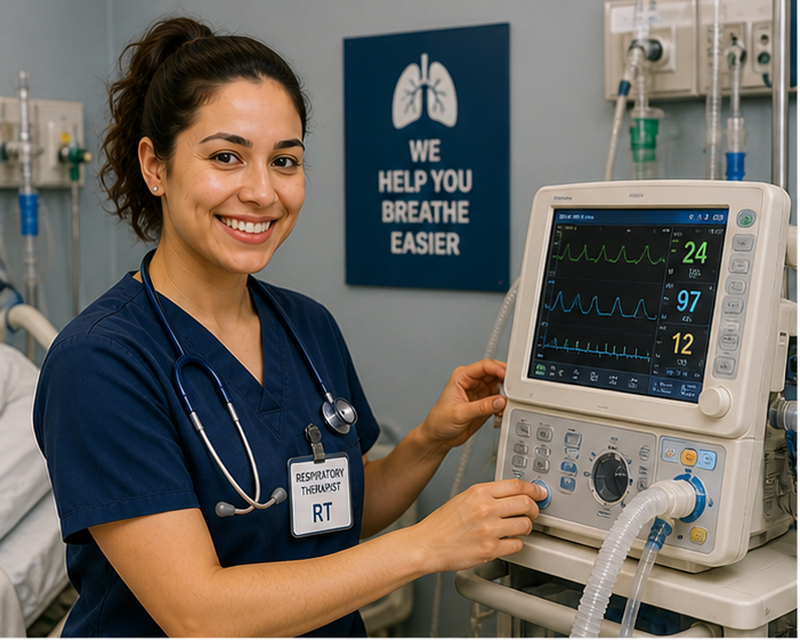
  • Radiologic Technologist Salary USA 2026: A Complete Guide

    Radiologic Technologist Salary USA 2026: Complete Guide

    Radiologic Technologist Salary USA 2026: Complete Guide

    Why Radiologic Technologist Salary Guides Matter

    Are you considering becoming a radiologic technologist? Then you likely wonder: “What is the average radiologic technologist salary in 2026?” Understanding compensation in the USA helps you plan your career strategically. Moreover, radiologic technologist earnings vary significantly by state and specialty. Therefore, knowing what professionals earn is essential for career decisions. Also, imaging salaries continue to grow in healthcare. Furthermore, understanding radiologic technologist pay by location helps you target opportunities. In other words, your location and specialty directly impact earning potential.

    Radiologic technologist salary USA showing technologist operating imaging equipment

    What Radiologic Technologists Earn Across America

    Pay Ranges by Location

    Radiologic technologist salary across the USA ranges from $48,000 to $105,000+ per year. This range covers technologists at all experience levels. Knowing radiologic technologist compensation by state and specialty is vital for career planning. Experienced professionals in high-paying states earn significantly more. Also, specialized imaging roles command premium compensation. Your location and specialization shape your financial future substantially.

    What the Data Shows

    Based on data from Indeed, Glassdoor, Bureau of Labor Statistics, and PayScale, here’s 2026 radiologic technologist compensation overview:

    National Average Radiologic Technologist Salary: $68,000 – $90,000

    USA Median Radiologic Technologist Salary: $78,000 per year

    Top Tier Compensation: $105,000+

    Best Paying States: California, Massachusetts, New York, Connecticut, New Jersey

    Entry Level Earning: $45,000 – $60,000

    Specialty Impact: Can increase radiologic technologist salary by 25-40%

    How Location Affects Professional Earnings

    Geography: The Radiologic Technologist Salary Factor

    Where you work determines your radiologic technologist salary significantly. Moreover, geographic location is the primary salary driver in medical imaging careers. Therefore, compensation differs dramatically by state. For instance, a senior professional in California earns $100,000+. The same technologist in rural areas earns $55,000. Understanding these regional differences is crucial for your career strategy.

    Radiologic technologist salary by state showing medical imaging facility and imaging center

    California: Highest Radiologic Technologist Salary in the Nation

    Average Radiologic Technologist Salary: $92,000 – $115,000+

    Senior Earnings: $105,000 – $140,000+

    Mid-Range Compensation: $105,000

    Why These Rates: High cost of living. Strong healthcare demand. Major medical centers. Premium hospitals.

    Job Demand: Very High

    Massachusetts: Strong Pay and Stability

    Average Radiologic Technologist Salary: $85,000 – $105,000

    Typical Compensation: $95,000

    Market: Major teaching hospitals and academic medical centers

    Job Security: Excellent in major health systems

    Benefits: Health insurance, retirement plans, shift premiums

    New York: Premium Compensation with Opportunities

    Average Radiologic Technologist Salary: $82,000 – $102,000

    Region: Northeast commands premium compensation

    Market: Major hospital systems and imaging centers

    Growth: Strong demand with specialization opportunities

    Connecticut: Growing Opportunities

    Average Radiologic Technologist Salary: $80,000 – $100,000

    Compensation: Competitive with strong career stability

    Market: Mix of hospital and imaging center settings

    Stability: Very stable with consistent demand

    Other Major States

    New Jersey offers radiologic technologist salary from $78,000 to $98,000 with good career opportunities. Texas provides $68,000 to $90,000 in major cities with growing healthcare demand. Florida offers $70,000 to $95,000 with expanding medical imaging centers. Illinois provides $72,000 to $98,000 with strong job stability. Washington State offers $75,000 to $100,000 with excellent work environment and benefits.

    How Specialization Affects Professional Earnings

    Specialization Impact on Radiologic Technologist Salary

    Specialization dramatically increases radiologic technologist salary and earning potential. Moreover, specialized professionals command premium compensation. Therefore, choosing your imaging specialty significantly impacts lifetime earnings. For instance, CT technologists earn more than general radiographers. Also, MRI technologists earn higher than entry-level technologists. So, specialty selection is crucial for financial success.

    Radiologic technologist salary by specialty showing medical imaging equipment and technology

    Highest-Paying Specializations

    1. CT Radiologic Technologist $85,000 – $115,000

    Why: Specialized certification required. High-demand imaging modality. Premium compensation.

    2. MRI Radiologic Technologist $82,000 – $112,000

    Why: Specialized magnetic imaging expertise. Growing demand. Advanced equipment operation.

    3. Interventional Radiologic Technologist $88,000 – $118,000

    Why: Surgical support role. Specialized procedure expertise. High-skill imaging role.

    4. Nuclear Medicine Technologist $80,000 – $108,000

    Why: Specialized nuclear imaging. Unique expertise required. Growing specialty field.

    5. Mammography Radiologic Technologist $78,000 – $105,000

    Why: Specialized breast imaging. Critical healthcare role. Growing patient demand.

    6. Vascular Radiologic Technologist $82,000 – $112,000

    Why: Specialized vascular imaging. Complex procedures. Premium compensation.

    7. General Radiologic Technographer $65,000 – $88,000

    Why: Foundational imaging role. Diverse patient populations. Community impact. Entry point.

    Radiologic Technologist Salary by Years of Experience

    Entry Level (Years 0-2)

    Average Radiologic Technologist Salary: $45,000 – $60,000

    Career Focus: Technical skill development and imaging competency building

    Characteristics: New graduate orientation. Mentorship emphasis. Learning imaging protocols.

    Financial Note: Sign-on bonuses ($2,000-$5,000) and shift differentials available

    Early Career (Years 2-5)

    Average Radiologic Technologist Salary: $58,000 – $78,000

    Career Development: Independent imaging procedures and specialty focus development

    Options Available: Diverse patient populations. Increased autonomy. Specialization pathways.

    Growth Pattern: Typical 4-7% annual increases during this period

    Mid-Career (Years 7-15)

    Average Radiologic Technologist Salary: $75,000 – $105,000

    Career Peak: Lead technologist roles or advanced specialization

    Options Available: Technical leadership opportunities. Specialization mastery. Mentoring.

    Financial Position: Solid security with expanding opportunities

    Late Career (Years 15+)

    Average Radiologic Technologist Salary: $95,000 – $140,000+

    Leadership Roles: Imaging supervisor, lead technologist, or senior specialist

    Status: Peak compensation and senior positions

    Opportunities: Teaching, training, or advanced specialization roles

    7 Ways to Increase Your Radiologic Technologist Salary

    1. Pursue Advanced Imaging Certifications

    Obtaining ARRT certifications in CT, MRI, or interventional imaging directly increases earning potential. Certified specialized professionals command higher salaries. Advanced credentials deliver substantial professional earnings increases throughout your career.

    2. Develop CT or MRI Specialization

    Specializing in high-demand imaging modalities like CT or MRI increases compensation significantly. Specialized professionals earn higher salaries than general radiographers. Advanced specialization training leads to 20-30% salary increases.

    3. Pursue Lead Technologist Positions

    Moving into lead technologist or supervisor roles increases earning potential. Leadership roles in imaging departments command premium compensation. Lead positions offer $15,000-$25,000+ salary increases with additional benefits.

    4. Build Interventional Radiology Experience

    Developing expertise in interventional procedures increases earning potential significantly. Interventional professionals command premium compensation. These specialized roles offer faster advancement and higher earnings.

    5. Gain Experience in High-Volume Imaging Centers

    Working in large medical centers and major imaging facilities increases salary potential. High-volume facilities offer better compensation and benefits. Experience in premier institutions enhances credentials and earning capacity.

    6. Negotiate Compensation with Certifications

    Using advanced certifications as leverage improves salary negotiation outcomes. Research market rates for your certifications and experience level. Document your expertise when negotiating salary and benefits.

    7. Consider Geographic Relocation

    Moving to high-paying states like California, Massachusetts, or New York increases compensation substantially. Geographic arbitrage can yield $20,000-$30,000+ salary increases. Balance compensation with lifestyle considerations.

    Common Questions Answered

    Q: How does radiologic technologist salary differ by state?

    A: California pays best at $92,000+. Massachusetts offers $85,000. New York provides $82,000. Most states range $65,000-$90,000.

    Q: Do radiologic technologists earn more than nurses?

    A: Registered nurses earn similarly to radiologic technologists. RN average is $75,000. Technologist average is $78,000. Both offer strong career stability.

    Q: How do radiologic technologists compare to technicians?

    A: Radiologic technologists earn more than general technicians. Technologist average is $78,000. Technician average is $45,000. Specialized training justifies higher compensation.

    Q: What’s considered high income for a radiologic technologist?

    A: High-earning professionals make $105,000+. These are typically specialists or lead technologists. Standard technologists earn $68,000-$90,000.

    Q: How does education debt impact radiologic technologist salary?

    A: Associate’s program costs $30,000-$50,000 typically. Earnings pay this back quickly. After 3-4 years, most are ahead financially. Long-term earning potential exceeds $2.5 million.

    Q: Can radiologic technologists earn more through specialization?

    A: Yes. Specialized certifications increase earning potential significantly. CT and MRI technologists earn $10,000-$25,000+ more annually. Specialization delivers substantial career benefits.

    Q: Is radiologic technologist education financially worth it?

    A: Yes. With 2 years of associate’s training, lifetime earnings exceed $2.5 million. Earnings grow steadily over career. Technologists rank among mid-level earning healthcare roles.

    Q: Which states offer the best compensation and lifestyle?

    A: California, Massachusetts, and New York rank highest for pay. Connecticut and New Jersey offer good balance of pay and lifestyle. Texas offers reasonable compensation with lower cost of living.


    Final Thoughts: Radiologic Technologist Salary Overview

    Key Takeaways

    Radiologic technologist careers offer solid salary compensation across America. Moreover, earnings vary significantly by state and specialty. These factors guide career planning. California professionals earn the most nationally. However, Massachusetts, New York, and Connecticut offer competitive compensation too. Furthermore, both general technographers and specialists earn well. Explore similar healthcare roles in our diagnostic medical sonographer and respiratory therapist guides for career comparison. If you’re comparing careers, check out our occupational therapist salary guide to compare allied health professions.

    Important Points to Remember

    Entry-level radiologic technologists should expect salary of $45,000-$60,000 in the USA. Moreover, specialization and location can boost earnings to $105,000-$140,000+. Also, location affects both compensation and lifestyle significantly. Consider these factors when planning your imaging career. Additionally, radiologic technologist provides meaningful healthcare work plus solid income. Therefore, it remains one of the most rewarding technical healthcare professions.

    Next Steps

    Radiologic technologist careers offer excellent compensation, job security, and meaningful work. Moreover, your education investment pays dividends over your lifetime. Furthermore, specialization and location choices shape both earnings and satisfaction. If imaging work calls to you, pursue it confidently. The financial rewards are solid. Therefore, start your imaging career today toward a rewarding healthcare role.

  • Physical Therapist Salary USA 2026: Complete Guide

    Physical Therapist Salary USA 2026: Complete Guide

    Physical Therapist Salary USA 2026: Complete Guide

    Why Physical Therapist Salary Guides Matter

    Are you considering a career as a physical therapist? Then you likely wonder: “What is the average physical therapist salary in 2026?” Understanding physical therapist salary in the USA helps you make informed career decisions. The answer varies by state, specialty, and years of experience. Knowing what physical therapists earn is critical when you plan your career. Moreover, physical therapists make different amounts across the country. Furthermore, significant gaps exist by state and specialization. In other words, where you work shapes what you earn.

    Physical therapist salary USA showing therapist working with patient rehabilitation

    What Physical Therapists Earn Across America

    Pay Ranges by Location

    Physical therapist salary across the USA ranges from $65,000 to $130,000+ per year. This broad range covers physical therapists at all job levels. Knowing physical therapist compensation by state, specialty, and experience is vital for career planning. A senior physical therapist in California may earn far more than one in a rural state performing similar work. Your location significantly shapes your earnings potential.

    What the Data Shows

    Based on data from Indeed, Glassdoor, Bureau of Labor Statistics, and PayScale, here’s 2026 physical therapist compensation overview:

    National Average Physical Therapist Salary: $85,000 – $110,000

    USA Median Physical Therapist Salary: $95,000 per year

    Top Tier Compensation: $130,000+

    Best Paying States: California, Massachusetts, New York, New Jersey, Connecticut

    Entry Level Earning: $60,000 – $75,000

    Specialty Impact: Can increase physical therapist salary by 20-35%

    How Location Affects Professional Earnings

    Geography: The Physical Therapist Salary Factor

    Where you work is the #1 factor in physical therapist salary. Your geographic location shapes income more than any other variable. Therefore, physical therapist compensation shifts greatly by state. For instance, a senior physical therapist in California might earn $125,000+. The same person in a rural state might earn $75,000. Understanding these shifts is vital for your career plan.

    Physical therapist salary by state showing highest paying states for PTs

    California: Highest Physical Therapist Salary in the Nation

    Average Physical Therapist Salary: $110,000 – $135,000+

    Senior Earnings: $125,000 – $160,000+

    Mid-Range Compensation: $120,000

    Why These Rates: High cost of living. Strong rehabilitation demand. Premium healthcare facilities.

    Job Demand: Very High

    Massachusetts: Strong Pay and Benefits

    Average Physical Therapist Salary: $105,000 – $125,000

    Typical Compensation: $115,000

    Market: Major urban centers with academic medical centers and premium practices

    Job Security: Excellent

    Benefits: Health insurance, retirement plans, CME allowances

    New York: Premium Pay with Quality of Life

    Average Physical Therapist Salary: $102,000 – $120,000

    Region: Northeast commands premium compensation

    Market: Mix of hospital systems and private outpatient clinics

    Growth: Strong demand with specialization opportunities

    New Jersey: Growing Opportunities

    Average Physical Therapist Salary: $100,000 – $118,000

    Compensation: Competitive with good quality of life

    Market: Mix of hospital and private practice settings

    Stability: Very stable with consistent demand

    Other Major States

    Connecticut offers physical therapist salary from $98,000 to $115,000 with strong private practice opportunities. Texas provides $80,000 to $105,000 in major cities with growing healthcare demand. Florida offers $82,000 to $108,000 with mixed urban/rural opportunities and expanding population needs. Illinois provides $85,000 to $110,000 with good work-life balance opportunities. Washington State offers $88,000 to $112,000 with strong job security and excellent work environment.

    How Specialization Affects Professional Earnings

    Specialization Impact on Physical Therapist Salary

    Specialization significantly increases physical therapist salary and earning potential. Moreover, physical therapists in high-demand specialties command premium compensation. Therefore, choosing your specialty impacts lifetime earnings substantially. For instance, sports physical therapists earn more than general practitioners. Also, orthopedic specialists earn more than general outpatient providers. So, specialty selection shapes your financial future.

    Physical therapist salary by specialty surgery versus general practice

    Highest-Paying Specializations

    1. Orthopedic Physical Therapist $100,000 – $130,000

    Why: High patient demand for joint and bone recovery. Complex protocols. Specialty knowledge premium.

    2. Sports Medicine Physical Therapist $105,000 – $135,000

    Why: Athletes require specialized rehabilitation. High-demand niche. Premium pricing justified by expertise.

    3. Neurological Physical Therapist $95,000 – $125,000

    Why: Specialized expertise in stroke and neurological conditions. Growing populations. Demand exceeds supply.

    4. Geriatric Physical Therapist $92,000 – $118,000

    Why: Growing elderly population. Specialized fall prevention and mobility training. Long-term relationships.

    5. Pediatric Physical Therapist $88,000 – $115,000

    Why: Specialized child development knowledge. Growing demand for early intervention. Specialized expertise.

    6. Cardiovascular Physical Therapist $90,000 – $120,000

    Why: Post-cardiac rehabilitation demand. Hospital-based specialty. Advanced training requirements.

    7. General Outpatient Physical Therapist $80,000 – $105,000

    Why: Flexible scheduling available. Diverse patient populations. Work-life balance potential. Community impact.

    Physical Therapist Salary by Years of Experience

    Entry Level (Years 0-2)

    Average Physical Therapist Salary: $60,000 – $75,000

    Career Focus: Clinical skill development and patient care competency building

    Characteristics: New graduate orientation. Mentorship emphasis. Learning curve period in clinical practice.

    Financial Note: Sign-on bonuses ($3,000-$10,000) and student loan repayment programs available

    Early Career (Years 2-5)

    Average Physical Therapist Salary: $75,000 – $95,000

    Career Development: Independent patient management and specialty focus development

    Options Available: Expanded patient populations. Increased autonomy. Specialty selection opportunities.

    Growth Pattern: Typical 5-8% annual increases during this period

    Mid-Career (Years 7-15)

    Average Physical Therapist Salary: $95,000 – $125,000

    Career Peak: Leadership roles or advanced specialization

    Options Available: Clinical leadership opportunities. Specialization development. Mentoring responsibilities.

    Financial Position: Solid security with expanding opportunities

    Late Career (Years 15+)

    Average Physical Therapist Salary: $120,000 – $180,000+

    Leadership Roles: Clinical director, practice owner, or senior specialist

    Status: Peak compensation and senior positions

    Opportunities: Consulting, teaching, or private practice ownership

    7 Ways to Increase Your Physical Therapist Salary

    1. Pursue Advanced Clinical Certifications

    Board certification in specialized areas directly increases earning potential. Certified physical therapists command higher salaries and demonstrate expertise. Certification through ABPTS requires training but delivers substantial professional earnings increases.

    2. Develop Specialized Clinical Expertise

    Specialization in high-demand fields like sports medicine, orthopedics, or neurology increases compensation. Specialized physical therapists earn higher salaries than general practitioners. Advanced training leads to 20-30% salary increases over base compensation.

    3. Consider Private Practice Ownership

    Building a private practice increases earning potential significantly. Private practice physical therapists can earn substantially more through practice profitability sharing and direct patient care revenue. Successful independent practices exceed $150,000+ annually.

    4. Build Experience in High-Demand Specialties

    Focus career development on high-demand specialties like sports medicine, orthopedics, or sports rehabilitation. Experience in high-demand fields commands premium compensation. These specialties offer faster career advancement and salary growth.

    5. Pursue Advanced Leadership Training

    Developing leadership skills opens doors to director and management positions. Advanced credentials in clinic management and business training command higher compensation. Leadership roles increase earnings by $20,000-$40,000+ above clinical practice.

    6. Negotiate Compensation Strategically

    Research market rates for your location, experience level, and specialization. Physical therapists who understand market value negotiate better compensation packages. Include salary, bonuses, continuing education allowances, and professional development.

    7. Consider Geographic Relocation

    Moving to high-paying states like California, Massachusetts, or New York increases compensation significantly. Geographic arbitrage can yield $25,000-$40,000+ salary increases. Balance compensation with quality of life considerations.

    Common Questions Answered

    Q: How does physical therapist salary differ by state?

    A: California pays best at $110,000+. Massachusetts offers $105,000. New York provides $102,000. Most states range $80,000-$105,000.

    Q: Do physical therapists earn more than occupational therapists?

    A: Physical therapists and occupational therapists earn comparable compensation. PT average is $95,000. OT average is $88,000. Both offer strong earning potential.

    Q: How do physical therapists compare to physicians?

    A: Physicians earn significantly more. Doctor average is $250,000+. PT average is $95,000. However, physical therapists have shorter education paths.

    Q: What’s considered high income for a physical therapist?

    A: High-earning physical therapists make $125,000+. These are typically specialists or practice owners. Standard physical therapists earn $80,000-$110,000.

    Q: How does education debt impact earnings?

    A: Doctoral program costs $120,000-$180,000 typically. Physical therapist salary pays this back relatively quickly. After 5-7 years, most are ahead financially. Long-term earning potential exceeds $4 million.

    Q: Can physical therapists earn more through entrepreneurship?

    A: Yes. Private practice ownership and specialized services increase earning potential significantly. PT entrepreneurs can earn $150,000-$300,000+ annually with successful practices.

    Q: Is physical therapist education financially worth it?

    A: Yes. With 3 years of doctoral training, lifetime earnings exceed $4 million. Physical therapist salary grows significantly over career. PTs rank among top-earning rehabilitation professions.

    Q: Which states offer the best compensation and lifestyle?

    A: California, Massachusetts, and New York rank highest for pay. Connecticut and New Jersey offer good balance of pay and lifestyle. Texas offers reasonable compensation with lower cost of living.


    Final Thoughts: Physical Therapist Salary Overview

    Key Takeaways

    Physical therapist careers offer strong salary compensation across America. Moreover, physical therapist earnings vary significantly by state, specialty, and experience. These factors guide career planning. California physical therapists earn the most nationally. However, Massachusetts, New York, and New Jersey offer competitive compensation too. Furthermore, both general practitioners and specialists earn well. Explore similar healthcare roles in our nurse practitioner salary guide and occupational therapist resources for career comparison. If you’re comparing career paths, check out our physician assistant salary guide to compare allied health professions.

    Important Points to Remember

    New physical therapists should expect salary of $60,000-$75,000 in the USA. Moreover, specialty selection and location can boost earnings to $125,000-$180,000+. Also, location affects both compensation and lifestyle significantly. Consider these factors when planning your physical therapist career. Additionally, physical therapist provides meaningful work plus strong income. Therefore, it remains one of the most rewarding healthcare professions.

    Next Steps

    Physical therapist careers offer excellent compensation, job security, and meaning. Moreover, your education investment pays dividends over your lifetime. Furthermore, specialty and location choices shape both earnings and satisfaction. If physical therapist work calls to you, pursue it confidently. The financial rewards are substantial. Therefore, start your physical therapist journey today toward a rewarding healthcare career.

  • Nurse Practitioner Salary USA 2026: Complete Guide

    Nurse Practitioner Salary USA 2026: Complete Guide

    Nurse Practitioner Salary USA 2026: Complete Guide

    Why Nurse Practitioner Salary Guides Matter

    Are you considering a career as a nurse practitioner? Then you likely wonder: “What is the average nurse practitioner salary in 2026?” Understanding nurse practitioner salary in the USA helps you make informed career decisions. The answer varies by state, specialty, and years of experience. Knowing what nurse practitioners earn is critical when you plan your career. Moreover, nurse practitioners make different amounts across the country. Furthermore, significant gaps exist by state and specialization. In other words, where you work shapes what you earn.

    Nurse practitioner salary USA showing healthcare provider with patients

    What Nurse Practitioners Earn Across America

    Pay Ranges by Location

    Nurse practitioner salary across the USA ranges from $105,000 to $160,000+ per year. This broad range covers nurse practitioners at all job levels. Knowing nurse practitioner compensation by state, specialty, and experience is vital for career planning. A senior nurse practitioner in California may earn far more than one in a rural state performing similar work. Your location significantly shapes your earnings potential.

    What the Data Shows

    Based on data from Indeed, Glassdoor, Bureau of Labor Statistics, and PayScale, here’s 2026 nurse practitioner compensation overview:

    National Average Nurse Practitioner Salary: $120,000 – $145,000

    USA Median Nurse Practitioner Salary: $130,000 per year

    Top Tier Compensation: $180,000+

    Best Paying States: California, Massachusetts, New York, New Jersey, Washington

    Entry Level Earning: $100,000 – $115,000

    Specialty Impact: Can increase nurse practitioner salary by 20-40%

    How Location Affects Professional Earnings

    Geography: The Nurse Practitioner Salary Factor

    Where you work is the #1 factor in nurse practitioner salary. Your geographic location shapes income more than any other variable. Therefore, nurse practitioner compensation shifts greatly by state. For instance, a senior nurse practitioner in California might earn $165,000+. The same person in a rural state might earn $100,000. Understanding these shifts is vital for your career plan.

    Nurse practitioner salary by state showing highest paying states for NPs

    California: Highest Nurse Practitioner Salary in the Nation

    Average Nurse Practitioner Salary: $160,000 – $185,000+

    Senior Earnings: $175,000 – $220,000+

    Mid-Range Compensation: $170,000

    Why These Rates: High cost of living. Strong healthcare demand. Premium medical facilities.

    Job Demand: Very High

    Massachusetts: Strong Pay and Benefits

    Average Nurse Practitioner Salary: $145,000 – $165,000

    Typical Compensation: $155,000

    Market: Major urban centers with academic medical centers and premium practices

    Job Security: Excellent

    Benefits: Health insurance, retirement plans, CME allowances

    New York: Premium Pay with Quality of Life

    Average Nurse Practitioner Salary: $140,000 – $160,000

    Region: Northeast commands premium compensation

    Market: Mix of academic medical centers and private practices

    Growth: Strong demand with specialization opportunities

    New Jersey: Growing Opportunities

    Average Nurse Practitioner Salary: $138,000 – $158,000

    Compensation: Competitive with good quality of life

    Market: Mix of hospital and private practice settings

    Stability: Very stable with consistent demand

    Other Major States

    Washington State offers nurse practitioner salary from $135,000 to $155,000 with strong job security. Texas provides $125,000 to $145,000 with growing healthcare demand and reasonable cost of living. Colorado shows robust growth with nurse practitioner compensation of $128,000 to $148,000. Florida presents opportunities averaging $120,000 to $140,000 with expanding population needs. These states all offer competitive nurse practitioner earnings with varying lifestyle considerations.

    How Specialization Affects Professional Earnings

    Specialization Impact on Nurse Practitioner Salary

    Specialization significantly increases nurse practitioner salary and earning potential. Moreover, nurse practitioners in high-demand specialties command premium compensation. Therefore, choosing your specialty impacts lifetime earnings substantially. For instance, acute care nurse practitioners earn more than primary care. Also, critical care specialists earn more than emergency department providers. So, specialty selection shapes your financial future.

    Nurse practitioner salary by specialty surgery versus general practice

    Highest-Paying Specializations

    1. Acute Care Nurse Practitioner $138,000 – $165,000

    Why: Complex patient management in intensive settings. Advanced decision-making. High acuity patients.

    2. Critical Care Nurse Practitioner $135,000 – $160,000

    Why: ICU expertise. 24/7 coverage needs. High-acuity patient populations. Specialized knowledge premium.

    3. Emergency Medicine Nurse Practitioner $130,000 – $155,000

    Why: Emergency department demand. Shift differentials. High patient volume. Unpredictable scheduling.

    4. Psychiatric Mental Health Nurse Practitioner $125,000 – $150,000

    Why: Behavioral health demand. Medication management expertise. Growing market need. Mental health premium.

    5. Neonatal Intensive Care Nurse Practitioner $130,000 – $155,000

    Why: Specialized neonatal expertise. Vulnerable populations. Specialized knowledge. Neonatal specialty premium.

    6. Orthopedic Nurse Practitioner $120,000 – $145,000

    Why: Surgical collaboration. Specialized procedures. High-demand surgical specialty. Orthopedic expertise premium.

    7. Primary Care Nurse Practitioner $110,000 – $135,000

    Why: Flexible scheduling. Patient continuity. Work-life balance potential. Community impact meaningful.

    Nurse Practitioner Salary by Years of Experience

    Entry Level (Years 0-2)

    Average Nurse Practitioner Salary: $100,000 – $115,000

    Career Focus: Clinical skill development and competency building

    Characteristics: New practitioner orientation. Mentorship emphasis. Learning period.

    Financial Note: Sign-on bonuses ($5,000-$15,000) and loan forgiveness programs available

    Early Career (Years 2-5)

    Average Nurse Practitioner Salary: $115,000 – $135,000

    Career Development: Independent practice development and specialty focus

    Options Available: Expanded patient populations. Increased autonomy. Specialty selection.

    Growth Pattern: Typical 5-10% annual increases during this period

    Mid-Career (Years 7-15)

    Average Nurse Practitioner Salary: $135,000 – $165,000

    Career Peak: Leadership roles or advanced specialization

    Options Available: Clinical leadership opportunities. Quality improvement initiatives. Mentoring.

    Financial Position: Solid security with expanding opportunities

    Late Career (Years 15+)

    Average Nurse Practitioner Salary: $165,000 – $250,000+

    Leadership Roles: Clinical director, practice manager, or senior specialist

    Status: Peak compensation and senior positions

    Opportunities: Consulting, teaching, or administrative leadership

    7 Ways to Increase Your Nurse Practitioner Salary

    1. Pursue Advanced Clinical Certifications

    Board certification in specialized areas directly increases earning potential. Certified nurse practitioners command higher salaries and demonstrate expertise. Certification requires ongoing education but delivers substantial professional earnings increases.

    2. Develop Specialized Clinical Expertise

    Specialization in high-demand fields like critical care, surgery, or psychiatry increases compensation. Specialized nurse practitioners earn higher salaries than primary care counterparts. Advanced training leads to 20-40% salary increases over base compensation.

    3. Consider Independent Practice Opportunity

    Building an independent practice increases earning potential significantly. Independent practice nurse practitioners can earn substantially more through practice profitability sharing. Successful independent practices exceed $250,000+ annually.

    4. Build Experience in High-Demand Specialties

    Focus career development on high-demand specialties like acute care, emergency medicine, or psychiatry. Experience in high-demand fields commands premium compensation. These specialties offer faster career advancement and salary growth.

    5. Pursue Advanced Leadership Training

    Developing leadership skills opens doors to director and management positions. Advanced leadership credentials and MBA training command higher compensation. Leadership roles increase earnings by $30,000-$50,000+ above clinical practice.

    6. Negotiate Compensation Strategically

    Research market rates for your location, experience level, and specialization. Nurse practitioners who understand market value negotiate better compensation packages. Include salary, bonuses, CME allowances, and professional development.

    7. Consider Geographic Relocation

    Moving to high-paying states like California, Massachusetts, or New York increases compensation significantly. Geographic arbitrage can yield $30,000-$50,000+ salary increases. Balance compensation with quality of life considerations.

    Common Questions Answered

    Q: How does nurse practitioner salary differ by state?

    A: California pays best at $160,000+. Massachusetts offers $150,000. New York provides $142,000. Most states range $110,000-$140,000.

    Q: Do nurse practitioners earn more than physician assistants?

    A: Nurse practitioners and physician assistants earn comparable compensation. NP average is $125,000. PA average is $127,000. Both offer strong earning potential.

    Q: How do nurse practitioners compare to doctors?

    A: Doctors earn significantly more. Doctor average is $250,000+. NP average is $130,000. However, nurse practitioners have shorter education paths.

    Q: What’s considered high income for a nurse practitioner?

    A: High-earning nurse practitioners make $160,000+. These are typically specialists or practice leaders. Standard nurse practitioners earn $110,000-$145,000.

    Q: How does education debt impact earnings?

    A: Graduate school costs $50,000-$100,000 typically. Nurse practitioner salary pays this back relatively quickly. After 4-6 years, most are ahead financially. Long-term earning potential exceeds $5 million.

    Q: Can nurse practitioners earn more through entrepreneurship?

    A: Yes. Private practice ownership and telehealth increase earning potential. NP entrepreneurs can earn $250,000-$400,000+ annually with successful practices.

    Q: Is nurse practitioner education financially worth it?

    A: Yes. With 2-3 years of training, lifetime earnings exceed $5 million. Nurse practitioner salary grows significantly over career. NPs rank among top-earning healthcare professions relative to education time.

    Q: Which states offer the best compensation and lifestyle?

    A: California, Massachusetts, and New York rank highest for pay. Washington offers competitive pay with excellent quality of life. Texas offers reasonable compensation with lower cost of living.


    Final Thoughts: Nurse Practitioner Salary Overview

    Key Takeaways

    Nurse practitioner careers offer strong salary compensation across America. Moreover, nurse practitioner earnings vary significantly by state, specialty, and experience. These factors guide career planning. California nurse practitioners earn the most nationally. However, Massachusetts, New York, and New Jersey offer competitive compensation too. Furthermore, both primary care and specialist nurse practitioners earn well. Explore similar healthcare roles in our pharmacist salary guide and dentist salary guide. Compare roles in our physician assistant salary guide and see how doctor salaries compare. Check our veterinarian salary guide for other healthcare professions and explore data scientist salaries for non-medical careers.

    Important Points to Remember

    New nurse practitioners should expect salary of $100,000-$115,000 in the USA. Moreover, specialty selection and location can boost earnings to $160,000-$250,000+. Also, location affects both compensation and lifestyle significantly. Consider these factors when planning your nurse practitioner career. Additionally, nurse practitioner provides meaningful work plus strong income. Therefore, it remains one of the most rewarding healthcare professions.

    Next Steps

    Nurse practitioner careers offer excellent compensation, job security, and meaning. Moreover, your education investment pays dividends over your lifetime. Furthermore, specialty and location choices shape both earnings and satisfaction. If nurse practitioner work calls to you, pursue it confidently. The financial rewards are substantial. Therefore, start your nurse practitioner journey today toward a rewarding healthcare career.

  • Physician Assistant Salary USA 2026

    Physician Assistant Salary USA 2026: Complete Guide

    Physician Assistant Salary USA 2026: Complete Guide

    Why Physician Assistant Salary Guides Matter

    Are you considering a career as a physician assistant? Then you likely wonder: “What is the average physician assistant salary in 2026?” Understanding physician assistant salary in the USA helps you make informed career decisions. The answer varies by state, specialty, and years of experience. Knowing what physician assistants earn is critical when you plan your career. Moreover, physician assistants make different amounts across the country. Furthermore, significant gaps exist by state and specialization. In other words, where you work shapes what you earn.

    Physician assistant salary USA showing healthcare provider with patients

    What Physician Assistants Earn Across America

    Pay Ranges by Location

    Physician assistant salary across the USA ranges from $90,000 to $175,000+ per year. This broad range covers physician assistants at all job levels. Knowing physician assistant compensation by state, specialty, and experience is vital for career planning. A senior physician assistant in Connecticut may earn far more than one in a rural state performing similar work. Your location significantly shapes your earnings.

    What the Data Shows

    Based on data from Indeed, Glassdoor, Bureau of Labor Statistics, and PayScale, here’s 2026 physician assistant compensation:

    National Average Physician Assistant Salary: $115,000 – $135,000

    USA Median Physician Assistant Salary: $125,000 per year

    Top Tier Compensation: $170,000+

    Best Paying States: Connecticut, New Jersey, Massachusetts, New Hampshire, California

    Entry Level Earning: $90,000 – $110,000

    Specialty Impact: Can increase physician assistant salary by 20-35%

    How Location Affects Professional Earnings

    Geography: The Physician Assistant Salary Factor

    Where you work is the #1 factor in physician assistant salary. Your geographic location shapes income more than any other variable. Therefore, physician assistant compensation shifts greatly by state. For instance, a senior physician assistant in Connecticut might earn $145,000+. The same person in a rural state might earn $85,000. Understanding these shifts is vital for your career plan.

    Physician assistant salary by state showing highest paying states for PAs

    Connecticut: Highest Physician Assistant Salary in the Nation

    Average Physician Assistant Salary: $143,000 – $160,000+

    Senior Earnings: $155,000 – $190,000+

    Mid-Range Compensation: $152,000

    Why These Rates: High cost of living. Strong healthcare demand. Premium medical facilities.

    Job Demand: Very High

    New Jersey: Strong Pay and Benefits

    Average Physician Assistant Salary: $140,000 – $158,000

    Typical Compensation: $149,000

    Market: Major urban centers with premium medical practices

    Job Security: Excellent

    Benefits: Health insurance, retirement plans, CME allowances

    Massachusetts: Premium Pay with Quality of Life

    Average Physician Assistant Salary: $138,000 – $155,000

    Region: Northeast commands premium compensation

    Market: Mix of academic medical centers and private practices

    Growth: Strong demand with specialization opportunities

    New Hampshire: Growing Opportunities

    Average Physician Assistant Salary: $135,000 – $152,000

    Compensation: Competitive with good quality of life

    Market: Mix of hospital and private practice settings

    Stability: Very stable with consistent demand

    Other Major States

    California offers $130,000-$150,000 with excellent urban opportunities. Texas provides $115,000-$135,000 in major cities. Florida offers $120,000-$140,000 with mixed urban/rural opportunities. New York pays $125,000-$145,000 in metropolitan areas. Illinois provides $118,000-$138,000 with good work-life balance.

    How Specialty Affects Professional Earnings

    Physician Assistant Salary: Specialization Impact

    Your physician assistant specialty has major impact on what you earn. Some specialties pay 25-35% more than primary care positions. Specialty choice is important for career earnings potential. Let’s examine compensation by specialty type. Surgical and procedural specialties pay more. However, primary care offers solid earnings with better schedule control.

    Physician assistant salary by specialty surgery versus general practice

    Highest Paying Specialties

    Surgical Specialist PA: $135,000 – $190,000+ (USA)

    Why High Pay: Complex procedures. Advanced training. Procedure-based compensation.

    Cardiology PA: $130,000 – $180,000+ (USA)

    Earning Potential: Strong demand for cardiovascular expertise and patient management

    Orthopedics PA: $128,000 – $175,000+ (USA)

    Earning Potential: High patient volume and procedural opportunities

    Emergency Medicine PA: $118,000 – $160,000+ (USA)

    Earning Potential: Shift differentials and high-acuity patient care

    Neurology PA: $120,000 – $170,000+ (USA)

    Earning Potential: Specialized diagnostic expertise with client relationships

    Primary Care PA: $110,000 – $150,000+ (USA)

    Earning Potential: Broader job market with excellent work-life balance

    Physician Assistant Salary by Years of Experience

    Entry Level (Years 0-3)

    Average Physician Assistant Salary: $90,000 – $110,000

    Employment: Hospitals, clinics, private practices

    Financial Status: Building skills, managing student debt

    Growth: 5-8% annual increases typical

    Early Career (Years 3-7)

    Average Physician Assistant Salary: $110,000 – $135,000

    Experience: Building specialized expertise and patient base

    Financial Status: Improving position with debt reduction

    Growth: 7-10% annual increases typical

    Mid-Career (Years 7-15)

    Average Physician Assistant Salary: $130,000 – $160,000

    Career Level: Senior positions or specialty practice leadership

    Options: Practice management or advanced specialization

    Financial Position: Solid security

    Late Career (Years 15+)

    Average Physician Assistant Salary: $160,000 – $230,000+

    Leadership Roles: Clinical director, practice manager, senior specialist

    Status: Peak compensation and senior positions

    Opportunities: Consulting, teaching, or administrative leadership

    7 Ways to Increase Your Physician Assistant Salary

    1. Pursue Board Certification

    Board certification through the NCCPA significantly increases earning potential. Certified physician assistants earn higher salaries and have better career opportunities. Certification requires ongoing education but delivers substantial professional earnings increases.

    2. Develop Specialized Expertise

    Specialization in high-demand fields like surgery, cardiology, or orthopedics increases compensation. Specialized PAs command higher salaries than primary care counterparts. Advanced training leads to 20-35% salary increases.

    3. Consider Private Practice Opportunity

    Joining a private practice as owner or partner offers increased earning potential. Private practice PAs can earn significantly more through practice profitability sharing. Successful practices exceed $200,000+ annually.

    4. Build Experience in High-Demand Specialties

    Focus career development on high-demand specialties like surgery, emergency medicine, or cardiology. Experience in high-demand fields commands premium compensation. These specialties offer faster career advancement and salary growth.

    5. Pursue Advanced Certifications

    Additional certifications and specialized training increase professional knowledge and earning potential. PAs investing in ongoing education command higher compensation. Advanced certifications accelerate career advancement.

    6. Negotiate Compensation Strategically

    Research market rates for your location, experience level, and specialization. PAs who understand market value negotiate better compensation packages including salary, bonuses, CME allowances, and professional development.

    7. Consider Geographic Relocation

    Moving to high-paying states like Connecticut, New Jersey, or Massachusetts increases compensation significantly. Geographic arbitrage can yield $20,000-$40,000+ salary increases. Balance compensation with quality of life.

    Common Questions Answered

    Q: How does physician assistant salary differ by state?

    A: Connecticut pays best at $145,000+. New Jersey offers $142,000. Massachusetts provides $140,000. Most states range $110,000-$135,000.

    Q: Do physician assistants earn more than nurse practitioners?

    A: Physician assistants typically earn slightly more. PA average is $125,000. NP average is $120,000. Both professions offer strong earning potential.

    Q: How do physician assistants compare to doctors?

    A: Doctors earn significantly more. Doctor average is $200,000+. PA average is $125,000. However, PAs have shorter education paths.

    Q: What’s considered high income for a physician assistant?

    A: High-earning PAs make $165,000+. These are typically specialists or practice leaders. Standard PAs earn $110,000-$140,000.

    Q: How does PA school debt impact earnings?

    A: PA school costs $120,000-$180,000. Physician assistant salary pays this back relatively quickly. After 4-6 years, most are ahead financially. Long-term earning potential exceeds $4.5 million.

    Q: Can physician assistants earn more through entrepreneurship?

    A: Yes. Private practice ownership and specialized services increase earning potential significantly. PA entrepreneurs can earn $250,000-$400,000+ annually with successful practices.

    Q: Is physician assistant education financially worth it?

    A: Yes. With 2-3 years of training, lifetime earnings exceed $5 million. PA salary grows significantly over career. PA ranks among top-earning healthcare professions relative to education time.

    Q: Which states offer the best compensation and lifestyle?

    A: Connecticut, New Jersey, and Massachusetts rank highest for pay. California offers competitive pay with urban lifestyle. Texas offers reasonable compensation with lower cost of living.


    Final Thoughts: Physician Assistant Salary Overview

    Key Takeaways

    Physician assistant careers offer strong salary compensation across America. Moreover, physician assistant earnings vary significantly by state, specialty, and experience. These factors guide career planning. Connecticut physician assistants earn the most nationally. However, New Jersey, Massachusetts, and New Hampshire offer competitive compensation too. Furthermore, both primary care and specialist PAs earn well. For comparisons, see our nurse practitioner salary guide and doctor salary information.

    Important Points to Remember

    New physician assistants should expect salary of $90,000-$110,000 in the USA. Moreover, specialty selection and location can boost earnings to $165,000-$230,000+. Also, location affects both compensation and lifestyle significantly. Consider these factors when planning your PA career. Additionally, physician assistant provides meaningful work plus strong income. Therefore, it remains one of the most rewarding healthcare professions.

    Next Steps

    Physician assistant careers offer excellent compensation, job security, and meaning. Moreover, your education investment pays dividends over your lifetime. Furthermore, specialty and location choices shape both earnings and satisfaction. If physician assistant calls to you, pursue it confidently. The financial rewards are substantial. Therefore, start your PA journey today toward a rewarding healthcare career.

  • Veterinarian Salary USA 2026

    Veterinarian Salary USA 2026: Complete Guide

    Veterinarian Salary USA 2026: Complete Guide

    Why Veterinarian Salary Guides Matter

    Are you thinking about a career as a veterinarian? Then you may ask: “What is the average veterinarian salary in 2026?” Understanding veterinarian salary in the USA helps you make informed career decisions. The answer varies by state, job type, and years of experience. Knowing what veterinarians earn is key when you pick a career. Moreover, veterinarians earn different amounts across the country. Furthermore, significant gaps exist by state and specialty. In other words, where you work shapes what you make.

    Veterinarian salary USA showing professional with animals

    What Veterinarians Earn Across America

    Pay Ranges by Location

    Veterinarian salary across the USA ranges from $75,000 to $155,000+ per year. This broad range covers veterinarians at all job levels. Knowing veterinarian compensation by state, specialty, and experience is vital for career planning. A senior veterinarian in Nevada may earn far more than one in a rural state doing the same work. Your place of work shapes your earnings significantly.

    What the Data Shows

    Based on data from Indeed, Glassdoor, Bureau of Labor Statistics, and PayScale, here’s 2026 veterinarian compensation:

    National Average Veterinarian Salary: $99,250 – $115,000

    USA Median Veterinarian Salary: $104,000 per year

    Top Tier Compensation: $150,000+

    Best Paying States: Nevada, California, Massachusetts, New Jersey, Connecticut

    Entry Level Earning: $60,000 – $75,000

    Specialty Impact: Can increase base veterinarian salary by 25-40%

    How Location Affects Professional Earnings

    Geography: The Veterinarian Salary Factor

    Where you work is the #1 factor in veterinarian salary. Your place of work shapes income more than any other choice. Therefore, veterinarian compensation shifts greatly by state. For instance, a senior veterinarian in Nevada might earn $130,000+. The same person in a rural state might earn $70,000. Knowing these shifts is vital for your career planning.

    Veterinarian salary by state showing highest paying states

    Nevada: Highest Veterinarian Salary in the Nation

    Average Veterinarian Salary: $128,000 – $145,000+

    Senior Earnings: $140,000 – $180,000+

    Mid-Range Compensation: $135,000

    Why These Rates: High pet ownership. Strong demand for services. Premium pricing in metropolitan areas.

    Job Demand: High

    California: Strong Pay and Benefits

    Average Veterinarian Salary: $125,000 – $140,000

    Typical Compensation: $132,000

    Market: Major urban centers with premium pricing

    Job Security: Excellent

    Benefits: Health insurance, retirement plans, education allowances

    Massachusetts: Premium Pay with Quality of Life

    Average Veterinarian Salary: $123,000 – $138,000

    Region: Northeast commands premium veterinarian compensation

    Market: Mix of private practices and specialty centers

    Growth: Steady demand with specialization opportunities

    New Jersey: Growing Opportunities

    Average Veterinarian Salary: $120,000 – $135,000

    Compensation: Competitive with high cost of living

    Market: Strong private practice opportunities

    Stability: Very stable with consistent demand

    Other Major States

    Connecticut offers $119,000-$134,000 with strong private practice. Texas provides $95,000-$115,000 in major cities. Florida offers $98,000-$118,000 with mixed opportunities. New York pays $110,000-$130,000 in metropolitan areas. Illinois provides $105,000-$125,000 with good work-life balance.

    How Specialty Affects Professional Earnings

    Veterinarian Salary: Specialization Impact

    Your veterinarian specialty has huge impact on earnings. Some specialties pay 30-40% more than general practice. Specialty choice is critical for career earnings potential. Let’s look at compensation by specialty type. Surgical specialties pay more. However, general practice offers solid earnings with better schedule control.

    Veterinarian salary by specialty surgery versus general practice

    Highest Paying Specialties

    Surgical Specialist: $130,000 – $180,000+ (USA)

    Why High Pay: Complex procedures. Advanced training. Referral-based model.

    Internal Medicine Specialist: $120,000 – $160,000+ (USA)

    Earning Potential: Strong demand for diagnostic expertise and case management

    Oncology Specialist: $125,000 – $170,000+ (USA)

    Earning Potential: Cancer treatment services command premium fees

    Emergency Medicine Specialist: $110,000 – $150,000+ (USA)

    Earning Potential: 24/7 availability with shift differentials

    Ophthalmology Specialist: $115,000 – $160,000+ (USA)

    Earning Potential: Eye care with consistent client relationships

    Dermatology Specialist: $110,000 – $155,000+ (USA)

    Earning Potential: Skin condition management with loyal clients

    Veterinarian Salary by Years of Experience

    Entry Level (Years 0-3)

    Average Veterinarian Salary: $60,000 – $75,000

    Employment: Private practices, animal hospitals

    Financial Status: Building skills, managing student debt

    Growth: 5-10% annual increases typical

    Early Career (Years 3-7)

    Average Veterinarian Salary: $80,000 – $105,000

    Experience: Building specialized expertise and client base

    Financial Status: Improving position with debt reduction

    Growth: 8-12% annual increases typical

    Mid-Career (Years 7-15)

    Average Veterinarian Salary: $105,000 – $145,000

    Career Level: Leadership or specialty practice

    Options: Practice ownership or advanced specialization

    Financial Position: Solid security

    Late Career (Years 15+)

    Average Veterinarian Salary: $140,000 – $210,000+

    Leadership Roles: Practice owner, clinical director, senior specialist

    Status: Peak compensation and senior positions

    Opportunities: Consulting, teaching, or solo practice ownership

    7 Ways to Increase Your Veterinarian Salary

    1. Pursue Board Certification

    Board certification through the American Board of Veterinary Specialties significantly increases earnings. Specialized veterinarians earn 25-40% more than general practitioners. Board certification requires additional training but delivers substantial professional earnings increases.

    2. Consider Practice Ownership

    Veterinary practice ownership offers unlimited earning potential. Practice owners generate income from patient services, retail products, and professional services. Successful owners often earn $150,000-$300,000+ annually depending on practice size.

    3. Develop Specialized Services

    Adding specialized services like ultrasound, advanced dentistry, or surgery increases practice revenue. Specialized procedures command higher fees and build profitable service lines within the practice.

    4. Build Strong Client Relationships

    Exceptional patient care and client communication increase practice profitability. Veterinarians who build loyal client bases generate higher revenue through client retention and referrals.

    5. Pursue Continuing Education

    Advanced certifications and specialized training increase professional knowledge and earning potential. Veterinarians investing in ongoing education command higher compensation and advance faster in their careers.

    6. Negotiate Compensation Strategically

    Research market rates for your location, experience level, and specialization. Veterinarians who understand market value negotiate better compensation packages including salary, bonuses, benefits, and professional development.

    7. Consider Alternative Practice Settings

    Explore positions in emergency clinics, specialty referral centers, or academic institutions. Alternative settings often offer higher compensation, better work-life balance, or unique professional opportunities.

    Common Questions Answered

    Q: How does veterinarian salary differ by state?

    A: Nevada pays best at $130,000+. California offers $128,000. Massachusetts provides $126,000. Most states range $95,000-$115,000.

    Q: Do veterinarians earn more than other healthcare professionals?

    A: Veterinarians typically earn similarly to dentists. Average is $104,000. Nurse practitioners earn more. Physicians earn significantly more but require longer training.

    Q: How do veterinarians compare to other animal professionals?

    A: Veterinarians typically earn higher. Average is $104,000. Dog trainers earn significantly less. Both offer meaningful work with animals.

    Q: What’s considered high income for a veterinarian?

    A: High-earning veterinarians make $150,000+. These are typically surgical specialists or practice owners. Standard veterinarians earn $90,000-$120,000.

    Q: How does veterinary school debt impact earnings?

    A: Veterinary school costs $100,000-$200,000. Veterinarian salary pays this back relatively quickly. After 5-7 years, most are ahead financially. Long-term earning potential exceeds $3 million.

    Q: Can veterinarians earn more through entrepreneurship?

    A: Yes. Practice ownership and specialized services increase earning potential significantly. Veterinary entrepreneurs can earn $200,000-$500,000+ annually with successful practices.

    Q: Is veterinarian financially worth the investment?

    A: Yes. Despite 8 years of training, lifetime earnings exceed $4 million. Veterinarian salary grows significantly over career. Veterinarian ranks among top-earning animal professions.

    Q: Which states offer the best compensation and lifestyle?

    A: Nevada, California, and Massachusetts rank highest for pay. Connecticut and New Jersey offer good balance of pay and lifestyle. Texas offers reasonable compensation with lower cost of living.


    Final Thoughts: Veterinarian Salary Overview

    Key Takeaways

    Veterinarian careers offer strong salary compensation across America. Moreover, veterinarian earnings vary significantly by state, specialty, and experience. These factors guide career planning. Nevada veterinarians earn the most nationally. However, California, Massachusetts, and New Jersey offer competitive compensation too. Furthermore, both general practitioners and specialists earn well. For career comparisons, see how nurse practitioner salaries compare. Also explore doctor salaries to compare medical professions at different levels.

    Important Points to Remember

    New veterinarians should expect a salary of $60,000-$75,000 in the USA. Moreover, specialty selection and location can boost earnings to $150,000-$210,000+. Also, location affects both compensation and lifestyle. Consider these factors when planning your veterinarian career. Additionally, veterinary medicine provides meaningful work plus strong income. Therefore, it remains one of the most rewarding professions.

    Next Steps

    Veterinarian careers offer excellent compensation, job security, and meaning. Moreover, your training investment pays dividends over your lifetime. Furthermore, specialty and location choices shape both earnings and satisfaction. If veterinary medicine calls to you, pursue it confidently. The financial rewards are substantial. For comparison, see how pharmacist salaries stack up against veterinarian compensation. Therefore, start your veterinarian journey today toward a rewarding career.

  • Full Stack Developer Salary USA 2026: Ultimate Complete Guide

    Full Stack Developer Salary USA 2026: Ultimate Complete Guide

    Full Stack Developer Salary USA 2026: Ultimate Complete Guide

    What Is Full Stack Developer Salary in 2026?

    Professional earnings in the USA varies between $75,000 and $180,000+ depending on experience and company. The average professional compensation across the nation is approximately $100,000 to $140,000 per year. Understanding your potential earnings is critical for tech career planning. This guide reveals exactly what full stack developer salary compensation you can expect at every career stage, by location, and by company type.

    Full stack developer salary professional coding web applications frontend backend

    Average Professional Earnings in the USA

    National Compensation Range

    The average professional compensation in America is $100,000 to $140,000 annually. However, full stack developer salary varies dramatically based on several factors. Your personal earnings depends on your experience level, geographic location, company size, and technology expertise. Entry-level professionals earn lower amounts, while senior-level compensation can exceed $180,000. According to Bureau of Labor Statistics and Indeed salary research, professional compensation has been growing 5-8% annually as demand remains strong.

    Entry-Level Earnings: $75,000 – $105,000

    Mid-Level Professional Compensation: $100,000 – $150,000

    Senior-Level Earnings: $140,000 – $190,000

    Lead/Principal Full Stack Developer Salary: $170,000 – $240,000+

    Total Compensation vs. Base Pay

    Your total package includes more than base compensation. Tech companies offer bonuses of 10-25% on top of base earnings. Stock options and benefits can add another 20-35% to professional compensation at FAANG companies. When evaluating offers, always consider the complete package including equity components.

    How Location Affects Professional Earnings

    Geographic Impact on Full Stack Developer Salary

    Your geographic location dramatically affects professional compensation. Tech hubs pay 40-70% more than other regions for identical roles. Cost of living, tech company concentration, and startup density determine earnings levels. The highest-paying locations are Silicon Valley, New York, and Seattle where web development expertise commands premium rates.

    Full stack developer salary by location showing highest paying tech cities USA

    Highest Paying Regions

    Silicon Valley/San Francisco: Silicon Valley offers the highest professional compensation in America, averaging $130,000 to $200,000+. The concentration of tech companies drives competitive earnings rates. Glassdoor data confirms Silicon Valley leads in professional compensation for web development roles.

    New York City: NYC offers strong professional earnings of $120,000 to $180,000. The fintech and media industries support competitive full stack developer salary levels for experienced professionals.

    Seattle: Seattle hosts Amazon, Microsoft, and other major tech employers, resulting in professional compensation of $115,000 to $175,000. The strong tech presence drives premium earnings rates.

    Los Angeles: Los Angeles offers professional earnings of $110,000 to $165,000 with growing entertainment tech and startup scenes. Full stack developer salary in LA has grown significantly in recent years.

    Boston: Boston provides professional earnings of $105,000 to $160,000 with strong biotech and software industries supporting competitive compensation.

    Professional Earnings by Company Type

    Company Type Impact on Full Stack Developer Salary

    The type and size of your employer significantly affects professional compensation. FAANG companies and venture-backed startups offer the highest earnings. Mid-size companies pay less than FAANG. Your choice of employer dramatically impacts your professional compensation potential. PayScale research shows clear compensation differences by company type.

    FAANG Professional Earnings

    Average Full Stack Developer Salary: $130,000 – $210,000

    FAANG companies offer the highest professional compensation in the market. Google, Amazon, Facebook, and Netflix have massive development needs. Earnings at FAANG includes substantial stock options. Total packages make FAANG extremely competitive and highly rewarding.

    Series B-D Startup Compensation

    Average Professional Earnings: $110,000 – $170,000

    Well-funded startups offer strong professional compensation with significant equity grants. These companies provide growth opportunities and the chance to have outsized impact. Earnings at a growth-stage startup combines solid cash with high-upside equity potential.

    Mid-Size Tech Companies

    Average Full Stack Developer Salary: $100,000 – $150,000

    Mid-size tech companies offer solid professional compensation with reasonable equity. These companies have established market presence but remain growth-focused. Earnings at a mid-size firm provides stability with meaningful equity upside potential.

    Enterprise Professional Earnings

    Average Compensation: $90,000 – $135,000

    Large enterprises offer stable professional earnings but often lower than pure tech companies. Traditional enterprises employ many developers. Earnings in enterprise may be lower in cash but includes solid benefits and job security.

    Professional Earnings by Years of Experience

    Entry-Level (0-2 Years)

    Average Full Stack Developer Salary: $75,000 – $105,000

    Starting your career offers solid entry-level earnings. Most entry positions are titled Junior Developer or Developer I. Entry-level compensation grows quickly as you gain practical experience. Within 2-3 years, you can move to higher-paying positions with significantly increased full stack developer salary.

    Early-Career (2-4 Years)

    Average Professional Compensation: $100,000 – $150,000

    Early-career professionals see significant increases in earnings. By years 2-4, you’re typically promoted to mid-level Developer. Professional compensation grows based on your technical skills and project impact. Demonstrated expertise directly correlates with salary growth.

    Mid-Career (5-7 Years)

    Average Full Stack Developer Salary: $140,000 – $190,000

    Mid-career represents strong earnings growth. By 5-7 years experience, you’re likely a Senior Developer or Technical Lead. Professional compensation reflects your expertise architecting solutions. This period shows where full stack developer salary accelerates significantly.

    Senior (7+ Years)

    Average Professional Earnings: $170,000 – $240,000+

    Experienced professionals command premium earnings at senior levels. Principal Engineer and Engineering Manager positions offer the highest professional compensation opportunities. Earnings at this level reflects years of expertise and leadership.

    7 Ways to Increase Your Professional Earnings

    1. Master In-Demand Tech Stacks

    Expertise in React, Node.js, Python, and cloud platforms increases professional compensation significantly. In-demand stack expertise adds $10,000-$25,000 to base earnings. This is the fastest way to boost your earnings early in your career.

    2. Build Strong Portfolio Projects

    Demonstrating real-world project experience increases professional compensation. Developers with impressive portfolios earn $15,000-$30,000 more. Professional earnings reflects the quality and complexity of your previous work.

    3. Move to a FAANG Company

    FAANG companies offer the highest professional compensation in tech. Moving to Google or Facebook can increase full stack developer salary by $30,000-$80,000+. FAANG offers the single biggest earnings increase opportunity.

    4. Relocate to Silicon Valley

    Moving to San Francisco increases professional compensation by $25,000-$50,000 over other regions. Silicon Valley commands premium earnings due to extreme tech company concentration. Relocation is one of the fastest ways to boost salary.

    5. Advance to Technical Leadership Roles

    Moving to Senior Developer or Engineering Manager dramatically increases professional compensation. Leadership roles pay $170,000-$240,000+. Technical leadership represents peak full stack developer salary earning potential.

    6. Develop DevOps and Cloud Skills

    Full stack developers with DevOps and cloud expertise earn $15,000-$30,000 more. AWS, Docker, and Kubernetes skills command premium professional compensation. This additional specialization increases your market value significantly.

    Common Questions About Professional Compensation

    What is average full stack developer salary? The average professional compensation in the USA is $100,000-$140,000, though this varies significantly by location and company type.

    Do FAANG companies pay more? Yes, FAANG companies offer significantly higher professional earnings. Google and Facebook offer the absolute highest full stack developer salary in tech.

    What is entry-level compensation? Entry-level professional earnings ranges from $75,000-$105,000 for junior or early-career positions.

    How much can senior professionals earn? Senior professional compensation (7+ years) ranges from $170,000-$240,000+, with principal roles exceeding $280,000 total full stack developer salary at FAANG companies.

    Does location matter for earnings? Yes, location dramatically impacts professional compensation. Silicon Valley pays 40-70% more than other regions, making geographic choice critical for salary.

    Is compensation growing? Yes, professional earnings is growing 5-8% annually as web development demand remains strong across all industries and company sizes.


    Conclusion: Your Professional Earnings Future

    Your professional compensation potential is strong and growing. Entry-level earnings of $75,000-$105,000 grows steadily with experience and technical skills. By mastering in-demand tech stacks, building strong projects, and moving to FAANG companies, you can significantly increase professional compensation. Senior full stack developer salary and leadership roles offer six-figure earnings with meaningful equity.

    Start your career by mastering React and Node.js. Build impressive portfolio projects to demonstrate your skills. Once you have 2-3 years of experience, focus on moving to higher-paying tech companies and Silicon Valley. Each move can increase your professional compensation by $15,000-$30,000. Compare your full stack developer salary with related roles like software engineer salary, DevOps engineer salary, and product manager salary to understand your market position in tech careers.

    Full stack developer salary specialization leadership roles cloud expertise
  • Database Administrator Salary USA 2026: Ultimate Complete Guide

    Database Administrator Salary USA 2026: Ultimate Complete Guide

    Database Administrator Salary USA 2026: Ultimate Complete Guide

    What Is Database Administrator Salary in 2026?

    Professional earnings in the USA varies between $70,000 and $170,000+ depending on experience and company. The average professional compensation across the nation is approximately $90,000 to $130,000 per year. Understanding your potential earnings is critical for tech career planning. This guide reveals exactly what database administrator salary compensation you can expect at every career stage, by location, and by company type.

    Database administrator salary professional managing database systems and data infrastructure

    Average Professional Earnings in the USA

    National Compensation Range

    The average professional compensation in America is $90,000 to $130,000 annually. However, database administrator salary varies dramatically based on several factors. Your personal earnings depends on your experience level, geographic location, company size, and database platform expertise. Entry-level professionals earn lower amounts, while senior-level compensation can exceed $170,000. According to Bureau of Labor Statistics and Indeed salary research, professional compensation remains stable with consistent demand across industries.

    Entry-Level Earnings: $70,000 – $95,000

    Mid-Level Professional Compensation: $90,000 – $135,000

    Senior-Level Earnings: $130,000 – $175,000

    Lead/Principal Database Administrator Salary: $160,000 – $220,000+

    Total Compensation vs. Base Pay

    Your total package includes more than base compensation. Tech companies offer bonuses of 10-20% on top of base earnings. Benefits and limited stock options can add another 15-25% to professional compensation. When evaluating offers, always consider the complete package including all benefits.

    How Location Affects Professional Earnings

    Geographic Impact on Database Administrator Salary

    Your geographic location dramatically affects professional compensation. Tech hubs pay 30-60% more than other regions for identical roles. Cost of living, tech company concentration, and data center presence determine earnings levels. The highest-paying locations are Silicon Valley, New York, and Seattle where database expertise commands premium rates.

    Database administrator salary by location showing highest paying tech cities USA

    Highest Paying Regions

    Silicon Valley/San Francisco: Silicon Valley offers the highest professional compensation in America, averaging $120,000 to $180,000+. The concentration of tech companies drives competitive earnings rates. Glassdoor data confirms Silicon Valley leads in professional compensation for database operations roles.

    New York City: NYC offers strong professional earnings of $110,000 to $160,000. The fintech industry and major corporations support competitive database administrator salary levels for experienced professionals.

    Seattle: Seattle hosts Amazon, Microsoft, and other major tech employers, resulting in professional compensation of $105,000 to $155,000. The strong tech presence drives premium earnings rates.

    Denver: Denver offers growing professional earnings of $95,000 to $145,000 with emerging tech and startup scenes. Database administrator salary in Denver has grown as companies expand data operations.

    Boston: Boston provides professional earnings of $100,000 to $150,000 with strong biotech and software industries supporting competitive compensation.

    Professional Earnings by Company Type

    Company Type Impact on Database Administrator Salary

    The type and size of your employer significantly affects professional compensation. FAANG companies and financial institutions offer the highest earnings. Mid-size companies pay less than FAANG. Your choice of employer dramatically impacts your professional compensation potential. PayScale research shows clear compensation differences by company type.

    FAANG Professional Earnings

    Average Database Administrator Salary: $120,000 – $190,000

    FAANG companies offer the highest professional compensation in the market. Google, Amazon, Facebook, and Netflix manage massive databases requiring expert administration. Earnings at FAANG reflects the complexity and criticality of database systems. Total packages make FAANG extremely competitive.

    Financial Services Compensation

    Average Professional Earnings: $110,000 – $170,000

    Banks and financial institutions offer strong compensation due to critical data requirements. Financial companies require high-level expertise and 24/7 availability. Earnings in finance reflects the mission-critical nature of database operations.

    Mid-Size Tech Companies

    Average Database Administrator Salary: $90,000 – $135,000

    Mid-size tech companies offer solid professional compensation with reasonable benefits. These companies have growing database needs but smaller teams. Earnings at a mid-size firm provides stability with growth opportunity.

    Enterprise Professional Earnings

    Average Compensation: $85,000 – $125,000

    Large enterprises offer stable professional earnings with good benefits and job security. Traditional enterprises employ many DBAs supporting legacy systems. Compensation in enterprise provides reliable income and advancement opportunities.

    Professional Earnings by Years of Experience

    Entry-Level (0-2 Years)

    Average Database Administrator Salary: $70,000 – $95,000

    Starting your career offers solid entry-level earnings. Most entry positions are titled Junior DBA or Administrator I. Entry-level compensation grows steadily as you gain experience. Within 2-3 years, you can move to higher-paying positions with significantly increased earnings.

    Early-Career (2-4 Years)

    Average Professional Compensation: $90,000 – $135,000

    Early-career professionals see significant increases in earnings. By years 2-4, you’re typically promoted to mid-level DBA. Professional compensation grows based on your platform expertise and performance optimization impact. Demonstrated skills directly correlate with salary growth.

    Mid-Career (5-7 Years)

    Average Database Administrator Salary: $130,000 – $175,000

    Mid-career represents strong earnings growth. By 5-7 years experience, you’re likely a Senior DBA or Database Manager. Professional compensation reflects your expertise managing large-scale systems. This period shows where database administrator salary accelerates significantly.

    Senior (7+ Years)

    Average Professional Earnings: $160,000 – $220,000+

    Experienced professionals command premium earnings at senior levels. Principal DBA and Database Manager positions offer the highest professional compensation opportunities. Earnings at this level reflects years of expertise and critical system management.

    7 Ways to Increase Your Professional Earnings

    1. Master Multiple Database Platforms

    Expertise in SQL Server, Oracle, PostgreSQL, and MongoDB increases professional compensation significantly. Multi-platform skills add $10,000-$25,000 to base earnings. Database platform knowledge is crucial for boosting salary.

    2. Earn Database Certifications

    Oracle DBA, SQL Server, and other certifications increase professional compensation. Certified professionals earn $8,000-$18,000 more than non-certified peers. This credential boost impacts salary significantly.

    3. Develop Cloud Database Expertise

    AWS RDS, Azure SQL, and Google Cloud SQL expertise increases professional compensation. Cloud database skills add $15,000-$30,000 to base earnings. Cloud expertise is increasingly important for earnings growth.

    4. Move to a FAANG Company

    FAANG companies offer the highest professional compensation in tech. Moving to Amazon or Google can increase database administrator salary by $30,000-$70,000+. FAANG offers significant earnings increase opportunity.

    5. Relocate to Silicon Valley

    Moving to San Francisco increases professional compensation by $20,000-$50,000 over other regions. Silicon Valley commands premium earnings due to major tech company presence. Relocation is one of the fastest ways to boost salary.

    6. Advance to Principal/Manager Roles

    Moving to Principal DBA or Database Manager dramatically increases professional compensation. Leadership roles pay $160,000-$220,000+. Database leadership represents peak database administrator salary earning potential.

    Common Questions About Professional Compensation

    What is average database administrator salary? The average professional compensation in the USA is $90,000-$130,000, though this varies significantly by location and company type.

    Do FAANG companies pay more? Yes, FAANG companies offer significantly higher professional earnings. Amazon and Google offer the absolute highest database administrator salary in tech.

    What is entry-level compensation? Entry-level professional earnings ranges from $70,000-$95,000 for junior DBA positions with 0-2 years experience.

    How much can senior professionals earn? Senior professional compensation (7+ years) ranges from $160,000-$220,000+, with principal roles exceeding $250,000 total database administrator salary at FAANG companies.

    Does certification increase earnings? Yes, Oracle DBA and other certifications increase professional compensation by $8,000-$18,000 annually. Certified professionals earn premium earnings.

    Is compensation growing? Database administrator salary remains stable with consistent demand. Cloud database growth is driving modest salary increases across the field.


    Conclusion: Your Professional Earnings Future

    Your professional compensation potential is solid and stable. Entry-level earnings of $70,000-$95,000 grows steadily with experience and expertise. By mastering multiple database platforms, earning certifications, and moving to FAANG companies, you can significantly increase professional compensation. Senior database administrator salary and principal DBA roles offer six-figure earnings.

    Start your career by becoming proficient in SQL Server or Oracle. Master backup, recovery, and performance tuning skills. Once you have 2-3 years of experience, focus on moving to higher-paying tech companies and Silicon Valley. Each move can increase your professional compensation by $15,000-$30,000. Compare your database administrator salary with related roles like DevOps engineer salary, software engineer salary, and cloud architect salary to understand your market position in tech careers.

    Database administrator salary specialization cloud systems leadership roles
  • Java Developer Salary USA 2026: Ultimate Complete Guide

    Java Developer Salary USA 2026: Ultimate Complete Guide

    Java Developer Salary USA 2026: Ultimate Complete Guide

    What Is Java Developer Salary in 2026?

    Professional compensation in the USA varies between $80,000 and $185,000+ depending on experience and company. The average earnings across the nation is approximately $105,000 to $150,000 per year. Understanding your java developer salary potential is critical for tech career planning. This guide reveals exactly what professional compensation you can expect at every career stage, by location, and by company type.

    Java developer salary professional coding enterprise applications backend systems

    Average Professional Earnings in the USA

    National Compensation Range

    The average professional compensation in America is $105,000 to $150,000 annually for backend roles. However, earnings vary dramatically based on several factors. Your personal java developer salary depends on your experience level, geographic location, company size, and Java framework expertise. Entry-level professionals earn lower amounts, while senior-level compensation can exceed $185,000. According to Bureau of Labor Statistics and Indeed salary research, professional compensation remains strong as Java remains the most widely used programming language globally.

    Entry-Level Java Developer Salary: $80,000 – $110,000

    Mid-Level Professional Earnings: $105,000 – $160,000

    Senior-Level Compensation: $150,000 – $200,000

    Lead/Principal Roles: $180,000 – $260,000+

    Total Compensation vs. Base Pay

    Your total package includes more than base salary. Tech companies offer bonuses of 12-25% on top of base compensation. Stock options and benefits can add another 20-35% to your earnings at FAANG companies. When evaluating offers, always consider the complete package including significant equity components.

    How Location Affects Professional Earnings

    Geographic Impact on Java Developer Salary

    Your geographic location dramatically affects professional compensation. Tech hubs pay 35-65% more than other regions for identical roles. Cost of living, tech company concentration, and startup density determine earnings levels. The highest-paying locations are Silicon Valley, New York, and Seattle where enterprise Java development expertise commands premium rates.

    Java developer salary by location showing highest paying tech cities USA

    Highest Paying Regions

    Silicon Valley/San Francisco: Silicon Valley offers the highest professional compensation in America, averaging $135,000 to $210,000+. The concentration of tech companies drives competitive earnings rates. Glassdoor data confirms Silicon Valley leads in compensation for backend development roles.

    New York City: NYC offers strong professional earnings of $125,000 to $190,000. The fintech industry and major corporations support competitive java developer salary levels for experienced professionals.

    Seattle: Seattle hosts Amazon, Microsoft, and other major tech employers, resulting in compensation of $120,000 to $185,000. The strong tech presence drives premium earnings rates.

    Boston: Boston provides professional earnings of $115,000 to $175,000 with strong biotech and financial services industries supporting competitive compensation.

    Denver: Denver offers growing professional earnings of $105,000 to $160,000 with emerging tech and startup scenes. Java developer salary in Denver has grown as companies expand development teams.

    Professional Earnings by Company Type

    Company Type Impact on Compensation

    The type and size of your employer significantly affects professional compensation. FAANG companies and financial institutions offer the highest earnings. Mid-size companies pay less than FAANG. Your choice of employer dramatically impacts your java developer salary potential. PayScale research shows clear compensation differences by company type.

    FAANG Professional Earnings

    Average Java Developer Salary: $135,000 – $220,000

    FAANG companies offer the highest professional compensation in the market. Google, Amazon, Facebook, and Netflix employ thousands of developers for core systems. Earnings at FAANG includes substantial stock options. Total packages make FAANG extremely competitive and highly rewarding.

    Financial Services Compensation

    Average Professional Earnings: $120,000 – $190,000

    Banks and financial institutions offer strong earnings due to heavy Java usage in trading and banking systems. Financial companies require expert-level development. Compensation in finance reflects the complexity and mission-critical nature of systems.

    Mid-Size Tech Companies

    Average Java Developer Salary: $105,000 – $160,000

    Mid-size tech companies offer solid professional compensation with reasonable equity. These companies have growing development needs. Earnings at a mid-size firm provides stability with meaningful equity upside potential.

    Enterprise Professional Earnings

    Average Compensation: $95,000 – $145,000

    Large enterprises offer stable professional earnings with good benefits. Traditional enterprises employ many developers supporting legacy systems. Compensation in enterprise provides reliable income and advancement opportunities.

    Professional Earnings by Years of Experience

    Entry-Level (0-2 Years)

    Average Java Developer Salary: $80,000 – $110,000

    Starting your career offers solid entry-level compensation. Most entry positions are titled Junior Developer or Developer I. Entry-level earnings grow quickly as you gain practical experience. Within 2-3 years, you can move to higher-paying positions with significantly increased java developer salary.

    Early-Career (2-4 Years)

    Average Professional Earnings: $105,000 – $160,000

    Early-career professionals see significant increases in compensation. By years 2-4, you’re typically promoted to mid-level Developer. Professional earnings grow based on your framework expertise and system design contributions. Demonstrated skills directly correlate with salary growth.

    Mid-Career (5-7 Years)

    Average Java Developer Salary: $150,000 – $200,000

    Mid-career represents strong compensation growth. By 5-7 years experience, you’re likely a Senior Developer or Technical Lead. Professional earnings reflect your expertise designing large-scale systems. This period shows where compensation accelerates significantly.

    Senior (7+ Years)

    Average Professional Earnings: $180,000 – $260,000+

    Experienced professionals command premium earnings at senior levels. Principal Engineer and Staff Engineer positions offer the highest compensation opportunities. Professional compensation at this level reflects years of expertise and architectural knowledge.

    7 Ways to Increase Your Professional Earnings

    1. Master Enterprise Java Frameworks

    Deep expertise in Spring, Hibernate, and other enterprise frameworks increases professional compensation significantly. Framework expertise adds $12,000-$28,000 to base earnings. Enterprise framework knowledge is critical for salary growth.

    2. Develop System Design Skills

    Strong system design and architecture skills increase compensation considerably. Developers with design expertise earn $15,000-$35,000 more. This architectural knowledge drives java developer salary significantly higher.

    3. Learn Microservices Architecture

    Expertise in microservices, Docker, and Kubernetes increases professional compensation. Microservices expertise adds $15,000-$30,000 to base earnings. Modern architecture knowledge is highly valued in compensation negotiations.

    4. Move to a FAANG Company

    FAANG companies offer the highest professional compensation in tech. Moving from a mid-size company to Google or Facebook can increase java developer salary by $35,000-$85,000+. FAANG offers the single biggest earnings increase opportunity.

    5. Relocate to Silicon Valley

    Moving to San Francisco increases professional compensation by $25,000-$55,000 over other regions. Silicon Valley commands premium earnings due to major tech company presence. Relocation is one of the fastest ways to boost salary.

    6. Advance to Principal/Staff Engineer Roles

    Moving to Principal or Staff Engineer dramatically increases professional compensation. Leadership roles pay $180,000-$260,000+. Principal engineer positions represent peak java developer salary earning potential.

    Common Questions About Professional Compensation

    What is the average earnings in the USA? The average professional compensation in the USA is $105,000-$150,000, though this varies significantly by location and company type.

    Do FAANG companies pay more? Yes, FAANG companies offer significantly higher professional earnings. Google and Amazon offer the absolute highest java developer salary in tech.

    What is entry-level compensation? Entry-level professional earnings ranges from $80,000-$110,000 for junior positions with 0-2 years experience.

    How much can senior professionals earn? Senior professional compensation (7+ years) ranges from $180,000-$260,000+, with principal roles exceeding $300,000 total java developer salary at FAANG companies.

    Does certification matter for earnings? While less critical than experience, Java certifications can add $3,000-$8,000 to professional compensation. Experience and skills matter more than certifications.

    Is compensation growing? Professional earnings is growing 3-5% annually as Java remains the most widely used programming language for enterprise systems globally.


    Conclusion: Your Java Developer Salary Future

    Your professional earnings potential is strong and stable. Entry-level java developer salary of $80,000-$110,000 grows steadily with experience and expertise. By mastering enterprise frameworks, developing system design skills, and moving to FAANG companies, you can significantly increase professional compensation. Senior positions offer six-figure earnings with meaningful equity.

    Start your career by building strong fundamentals in Java and object-oriented design. Master Spring Framework and modern Java practices. Once you have 2-3 years of experience, focus on moving to higher-paying tech companies and Silicon Valley. Each move can increase your java developer salary by $20,000-$40,000. Compare your professional compensation with related roles like software engineer salary, full stack developer salary, and Python developer salary to understand your market position in backend development careers.

    Java developer salary specialization microservices architecture leadership roles