Dermatologist Salary USA 2026: Complete Compensation Guide
Why Dermatologist Salary Matters in 2026
Dermatologist salary varies significantly by location, experience, and specialization. Are you considering a skin care career? Understanding professional compensation helps you make informed decisions. This field ranges from $180,000 to $600,000+ annually across the United States. According to Indeed salary data, Glassdoor career research, Bureau of Labor Statistics, PayScale analysis, and LinkedIn data, earnings in dermatology remain competitive in 2026. Significant variation in compensation exists by geographic region. Moreover, earning potential depends substantially on location and specialization. Where you practice as a dermatologist shapes your overall earning potential significantly.
Average Dermatologist Salary in the United States
What Is the Annual Compensation Range for 2026?
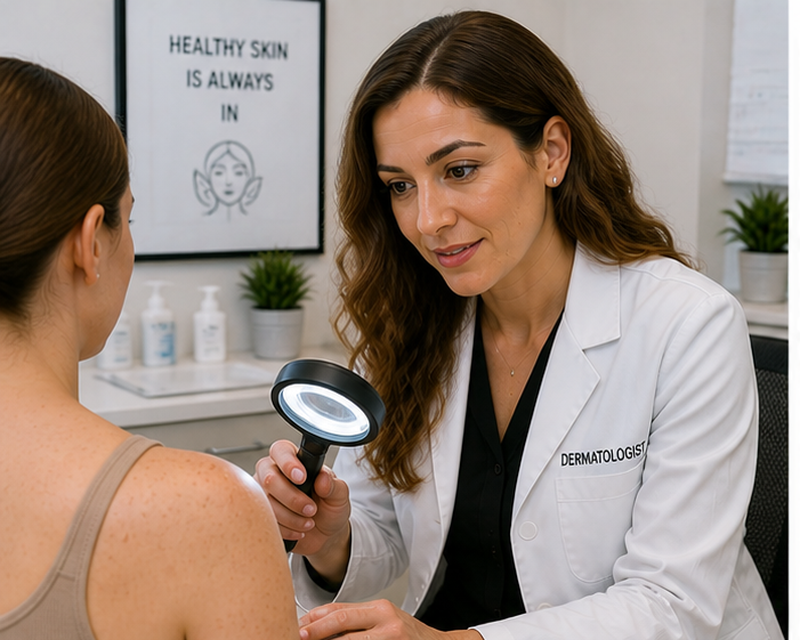
Professional earnings across the United States ranges from $210,000 to $310,000 annually on average. However, compensation varies considerably based on multiple factors including geographic location, experience level, specialization focus, and practice environment. Entry-level positions typically start at $180,000 to $220,000. Additionally, mid-career professionals earn $250,000 to $350,000. Furthermore, senior dermatologist salary for those with 10+ years experience ranges from $300,000 to $450,000+. Also, established private practitioners often earn $350,000 to $600,000+ in annual income.
Dermatologist Salary by Career Stage:
• Entry Level (0-2 years): $180,000 – $220,000
• Early Career (3-5 years): $230,000 – $300,000
• Mid-Career (6-10 years): $250,000 – $350,000
• Senior (10+ years): $300,000 – $450,000
• Private Practice (Established): $350,000 – $600,000+
Dermatologist Salary: Base Pay Versus Total Package
When evaluating offers, distinguish between base compensation and total package value. This includes bonuses, loan forgiveness, sign-on incentives, and benefits. Many employers offer packages worth $50,000-$120,000 beyond base salary. Additionally, malpractice insurance coverage adds $8,000-$15,000 annually. Furthermore, continuing education stipends typically range from $5,000-$10,000 yearly. Also, retirement matching contributions average 5-10% of base salary. Therefore, negotiating comprehensive packages significantly impacts actual financial success.
Dermatologist Salary by Geographic Location
Which States Offer the Highest Professional Earnings?
Geographic location significantly impacts compensation, with variation ranging $40,000-$80,000 between states. High-demand areas consistently offer premium compensation. States with provider shortages offer higher earning potential. Conversely, saturated markets pay lower wages. Cost of living, population density, and insurance reimbursement rates influence salary levels. Additionally, metropolitan areas generally command higher compensation than rural regions. Furthermore, cosmetic-focused states attract top talent with competitive offers.
Top 5 States for Dermatologist Salary (2026):
• California: $280,000 – $370,000 (High demand, major metros)
• New York: $260,000 – $360,000 (Dense population, multiple cities)
• Texas: $240,000 – $330,000 (Growing population, expanding need)
• Florida: $230,000 – $320,000 (Cosmetic focus, retirement communities)
• Massachusetts: $250,000 – $340,000 (Academic institutions, research)
How Telemedicine Impacts Dermatologist Salary and Work Flexibility
Telemedicine fundamentally changed compensation negotiations and geographic flexibility. Remote practice allows professionals to serve high-paying markets while living affordably. This geographic arbitrage increases real compensation and lifestyle quality. Virtual platforms enable earning growth without relocation. Additionally, telemedicine expands patient populations dramatically. Furthermore, remote work enhances earning flexibility. Therefore, remote options significantly improve earning advantages.
Dermatologist Salary by Years of Professional Experience
Entry-Level Earnings: Starting Your Dermatology Career
Entry-level positions typically range from $180,000 to $220,000 annually. New dermatologists complete 3-4 years of postgraduate training before independent practice. These positions emphasize mentorship and skill development. Many work in academic medical centers or hospital-based programs. These settings provide excellent training but often offer lower compensation than private practice. However, experience gained directly impacts future earning potential. Additionally, strong foundational skills increase long-term income trajectory significantly.
Entry-Level Dermatologist Salary Progression (0-2 Years):
• Post-residency start: $180,000 – $200,000
• Month 12: $195,000 – $210,000
• Month 24: $205,000 – $220,000
• Average annual increase: 3-4%
• Bonus potential: $10,000 – $30,000
Early-Career Dermatologist Salary: Building Expertise and Patient Base
Early-career compensation ranges from $230,000 to $300,000 for professionals with 3-5 years experience. This phase involves developing specialized clinical skills. Many professionals transition toward private arrangements or specialized positions. Compensation increases 15-25% during this phase as expertise grows. Additionally, pursuing subspecialty certifications enhances earning potential. Furthermore, professional reputation begins influencing compensation opportunities. Therefore, this critical phase shapes long-term financial success.
Mid-Career Dermatologist Salary: Establishing Your Practice
Mid-career compensation for professionals with 6-10 years experience ranges from $250,000 to $350,000. This phase typically includes developing clinical specializations. Established practitioners command premium rates due to reputation and patient volume. Many professionals pursue subspecializations like cosmetic dermatology. These specializations significantly increase earning potential above baseline rates. Additionally, administrative responsibilities can enhance compensation considerably. Therefore, mid-career decisions profoundly impact lifetime earning potential.
Senior-Level Dermatologist Salary: Advanced Expertise and Leadership
Senior compensation for professionals with 10+ years experience ranges from $300,000 to $450,000+. Senior positions often include leadership and administrative responsibilities. Private practice professionals frequently earn $350,000 to $600,000+. Medical director roles, academic positions, and consulting arrangements offer premium earnings. Senior practitioners command highest compensation due to extensive expertise. Furthermore, leadership positions combine base salary with additional compensation. Therefore, senior career stages represent peak earning potential.
Dermatologist Salary by Specialization
Which Dermatology Specializations Command Highest Earnings?
Dermatology specializations significantly impact compensation due to demand differences. High-demand specializations consistently offer higher compensation. Certain subspecialties address critical underserved populations, commanding premium rates. Understanding specialization options helps optimize earning potential. Additionally, some require additional fellowship training beyond residency. Furthermore, specialization expertise directly influences negotiating power. Therefore, choosing high-demand specializations strategically increases lifetime earnings substantially.
Dermatologist Salary by Specialization (Annual Range):
• Cosmetic Dermatology: $300,000 – $450,000
• Mohs Micrographic Surgery: $280,000 – $420,000
• Pediatric Dermatology: $240,000 – $340,000
• Dermatopathology: $260,000 – $380,000
• Clinical Dermatology: $220,000 – $320,000
• Medical Aesthetics: $250,000 – $400,000
• Laser & Procedural: $290,000 – $430,000
Cosmetic Dermatology: Highest-Earning Specialization
Cosmetic dermatologists earn $300,000-$450,000 in annual compensation. This specialization addresses aesthetic preferences. Additionally, fellowship training requirements increase expertise value. Furthermore, high-demand procedures support strong compensation offers.
Mohs Micrographic Surgery: Premium Specialization Earnings
Mohs specialists command $280,000-$420,000 in professional earnings due to specialized expertise. Complex skin cancer treatment creates strong demand. Additionally, procedural complexity supplements base income. Furthermore, specialized skills command premium compensation.
7 Ways to Maximize Your Dermatologist Salary
1. Develop Specialized Cosmetic or Procedural Expertise
Subspecialization dramatically increases earning potential beyond baseline compensation. Pursuing fellowship training in high-demand areas commands premium earnings. Specialized certifications demonstrate expertise justifying higher salaries. Additionally, developing reputation in specialties increases negotiating power. Furthermore, specialization premiums often exceed $80,000 annually. Therefore, strategic specialization represents the most direct earning optimization path.
2. Transition to Private Practice and Build Your Patient Base
Private practice typically increases compensation by 30-50% after establishing patient volume. Building strong referral networks significantly impacts earning potential. Efficient scheduling and high reimbursement rates optimize annual income. Additionally, group practice arrangements balance costs while maintaining individual earning potential. Furthermore, practice autonomy appeals to many high-earning professionals. Therefore, practice ownership represents significant long-term advantage.
3. Pursue Medical Director and Administrative Leadership Positions
Medical director roles offer premium compensation combined with leadership experience. Hospital administrative positions add $40,000-$80,000+ to base salary. Department head roles include performance bonuses and additional benefits. Additionally, healthcare system leadership offers highest administrative compensation. Furthermore, administrative experience enhances future earning opportunities. Therefore, leadership roles substantially increase lifetime compensation.
4. Master Complex Procedural and Surgical Techniques
Developing expertise in complex procedures commands premium compensation rates. Advanced procedure specialists earn higher compensation from employer preference. Complex cases justify premium consultation fees. Additionally, reputation for complex procedures attracts higher-paying positions. Furthermore, employers seek specialists willing to handle challenging cases. Therefore, specializing in complexity directly increases average earnings.
5. Negotiate Comprehensive Compensation Packages
Strategic negotiation significantly impacts total package value. Loan forgiveness programs can add $50,000-$150,000 to effective compensation. Sign-on bonuses, relocation assistance, and moving allowances enhance earnings. Additionally, malpractice insurance coverage adds substantial value. Furthermore, retirement matching represents significant benefits. Therefore, comprehensive negotiation increases total annual income by 20-30%.
6. Consider Geographic Arbitrage and Remote Consultation Models
Telemedicine enables earning optimization through geographic flexibility. Serving high-paying markets while living affordably dramatically increases compensation. Remote consultation models expand accessible opportunities significantly. Additionally, reduced overhead costs improve net income. Furthermore, geographic flexibility enhances work-life balance while maintaining earnings. Therefore, remote options represent modern salary optimization strategy.
7. Develop Teaching, Research, and Academic Opportunities
Academic compensation packages include teaching stipends and research funding. University affiliations add prestige and supplementary earnings. Consulting opportunities generate additional compensation beyond clinical work. Additionally, research grants support income supplements and career advancement. Furthermore, teaching positions often include earning premiums. Therefore, academic engagement significantly enhances total compensation potential.
Common Questions Answered
Q: What is the starting dermatologist salary after residency?
Entry-level compensation typically ranges from $180,000 to $220,000 annually. New dermatologists should expect modest earnings initially while building practices and experience.
Q: How does dermatologist salary compare to other medical specialties?
Professional earnings is competitive with family medicine and internal medicine but lower than surgical specialties. Compensation in dermatology exceeds many primary care specialties. Overall, earnings provide excellent financial security.
Q: Can dermatologists earn significantly more in private practice?
Yes, established private practice typically exceeds employment by 30-50%. Private practice ranges from $350,000 to $600,000+ once established. Success requires strong business skills and patient relationship management.
Q: Which specializations pay the highest dermatologist salary?
Cosmetic dermatology and procedural specializations offer highest premiums. These specializations often exceed $350,000-$450,000+ annually. Specialized expertise requires additional training beyond standard dermatology.
Q: Does dermatologist salary vary dramatically between states?
Yes, significant variation exists between states. High-demand states like California and New York offer $40,000-$80,000 more than less competitive markets. Rural states typically offer lower compensation but sometimes with loan forgiveness benefits.
Q: How much additional dermatologist salary can telemedicine generate?
Telemedicine enables earning optimization by accessing higher-paying markets geographically. Remote opportunities can increase earnings by 20-40% through geographic arbitrage. Telemedicine fundamentally expanded earning potential and work flexibility.
Final Thoughts: Building Long-Term Financial Success in Dermatology
Strategic Career Planning Impacts Lifetime Earnings
Professional compensation planning requires understanding compensation drivers including specialization, experience, location, and practice structure. Entry-level professionals earning $180,000-$220,000 should focus on skill development and reputation building. Mid-career practitioners with $250,000-$350,000 earnings benefit from transitioning toward private practice or specialization. Senior practitioners commanding $300,000-$450,000+ leverage experience through leadership and administrative roles. Strategic decisions regarding specialization, practice environment, and geographic location profoundly impact lifetime earning trajectory and professional satisfaction.
Building Sustainable Financial Security in Dermatology
Long-term success requires comprehensive financial planning and strategic career moves. Specialization in high-demand areas directly increases earnings 20-40% above baseline. Transition to private practice represents the most significant compensation growth opportunity. Leadership roles, academic positions, and consulting arrangements further enhance annual income potential. Many professionals combine multiple income streams—clinical work, teaching, consulting, and administration—maximizing earning potential. Building diverse revenue sources creates financial stability and professional fulfillment.
Building Professional Reputation for Dermatologist Salary Growth
Professional reputation directly influences compensation opportunities throughout your career. Strong referral networks create consistent patient flow supporting higher earnings. Positive patient outcomes and clinical excellence generate additional opportunities. Professional certifications and recognitions enhance value in competitive markets. Networking within professional organizations creates advancement opportunities. Published research and presentations establish leadership credentials. Therefore, consistent professional development continuously increases earning potential.
Your compensation trajectory depends on strategic decisions made throughout your career. Early specialization, practice structure selection, and geographic positioning significantly influence earning potential. By understanding compensation drivers, pursuing valuable specializations, building thriving practices, and continuously developing expertise, you can maximize annual income while delivering exceptional skin care. The dermatology field offers both financial security and deep professional satisfaction. For more information, consider exploring related healthcare careers: Plastic Surgeon Salary USA 2026, Physician Assistant Salary USA 2026, and Nurse Practitioner Salary USA 2026.